TL;DR
- Gemini in Chrome can now analyze podcasts and videos beyond YouTube to surface key takeaways and answer questions.
- Chrome can generate interactive quizzes from your notes, webpages, and YouTube videos to help test your knowledge.
- Chrome now preserves your scroll position and partially filled forms when you send tabs between devices.
Studying looks a lot different today compared to years past. While the challenge used to be finding enough information, students now face the opposite problem — an overwhelming amount of content with no easy way to make sense of it. Google is introducing three new Chrome features aimed at making that process a little easier.
Gemini Expands Video and Audio Analysis Beyond YouTube
Gemini in Chrome already parses YouTube videos to highlight relevant information and answer questions. Now, Google is extending that capability to video and audio content on other platforms as well.
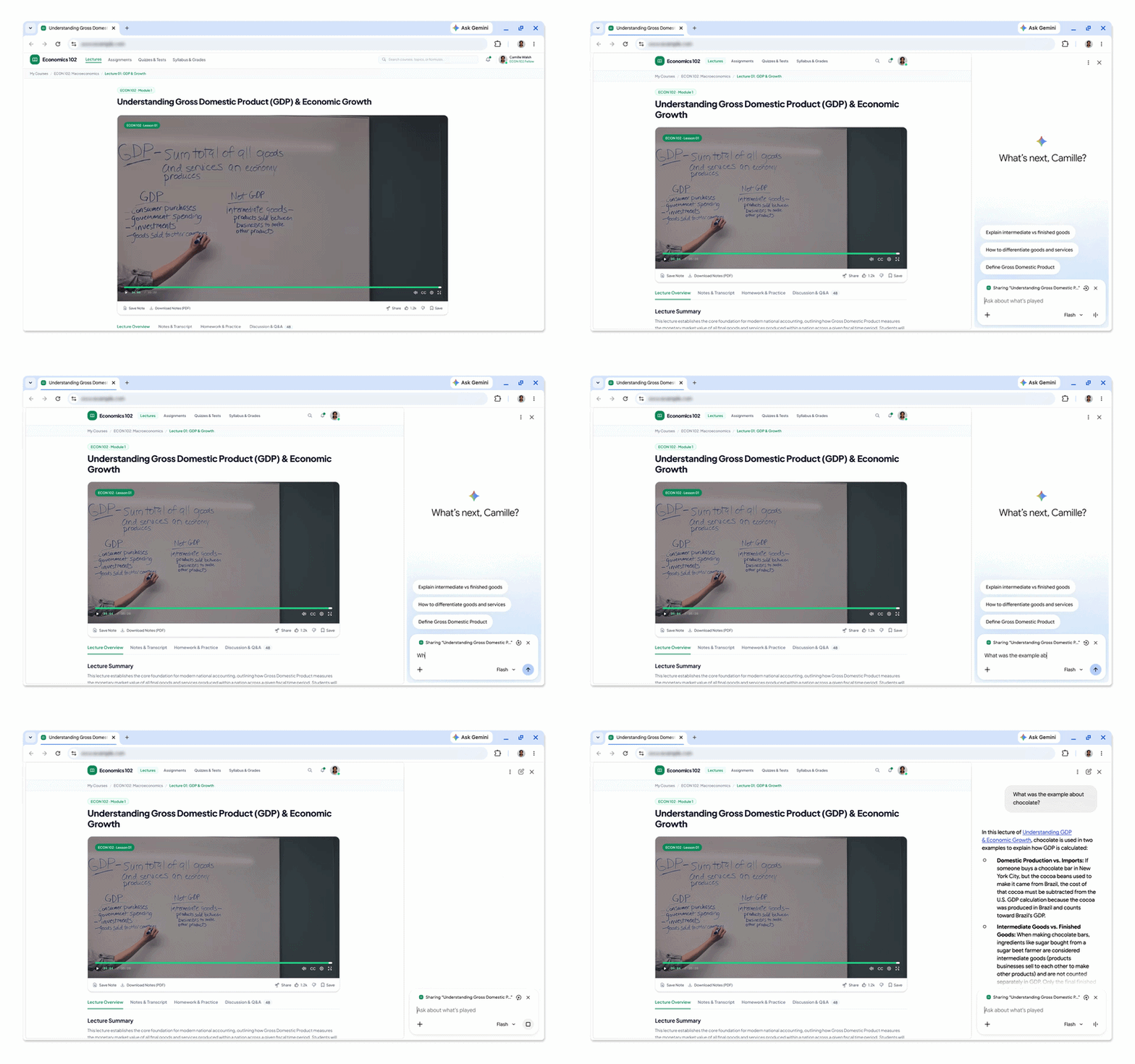
Gemini in Chrome can now analyze video on websites other than YouTube, allowing you to identify key takeaways, find specific information, or clarify confusing moments. The upgrade applies to audio content too, though with one important caveat.
On YouTube, Gemini uses video transcripts to surface information instantly. On other platforms, you need to play through the entire audio or video first before Gemini can analyze it. That makes the feature most useful when you’ve already consumed the content and want to revisit or confirm details you may have missed.
Interactive Quizzes from Your Open Tab
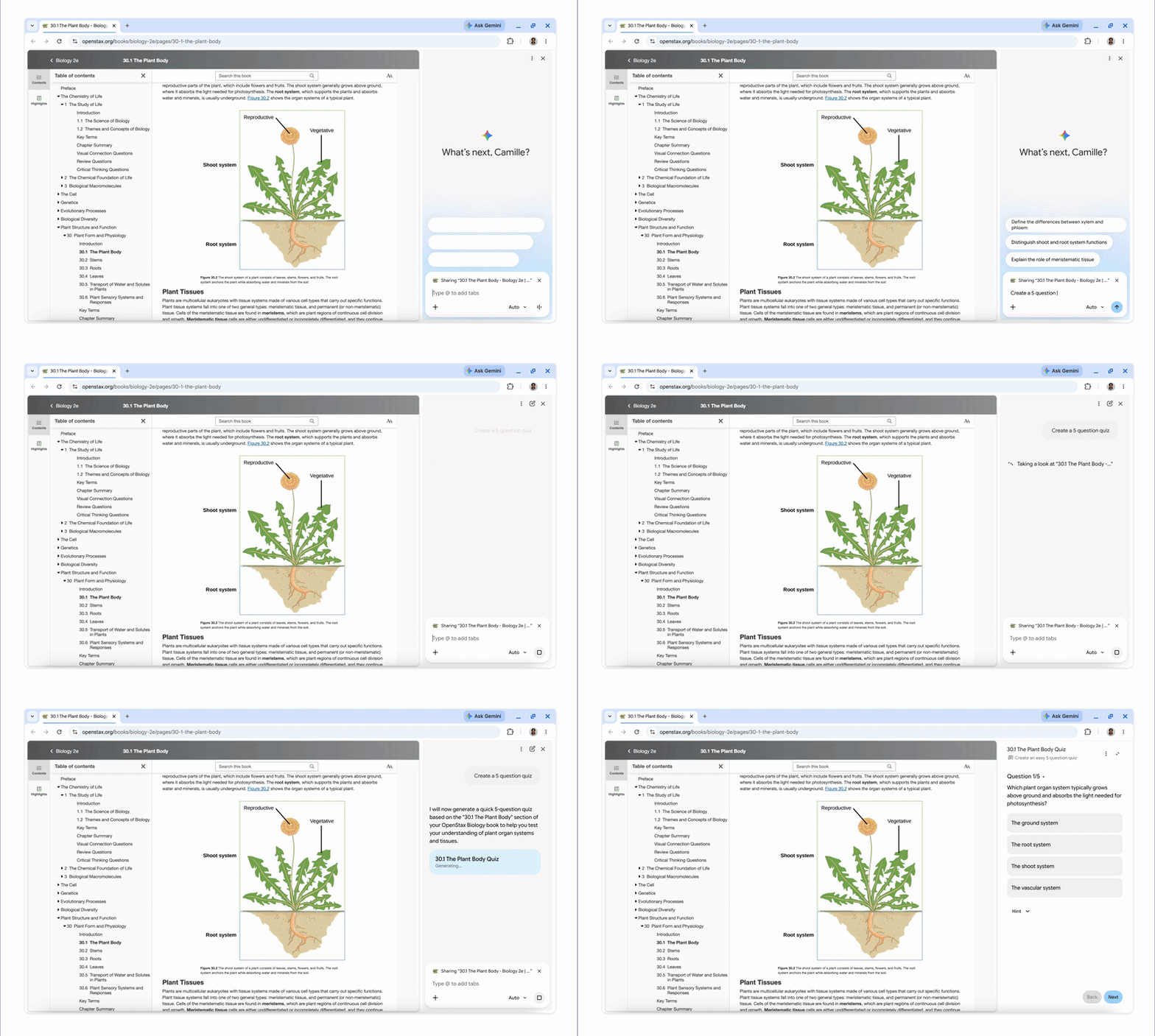
Gemini in Chrome can now generate interactive quizzes based on the content in your open tab. This works across Google Docs, text-based webpages, and YouTube videos, making it a handy tool for self-testing after a study session.
The feature is rolling out in English to users in the US and India on desktop, with a wider rollout and mobile support expected in the coming months.
Chrome Gets Smarter Tab Handoff Across Devices
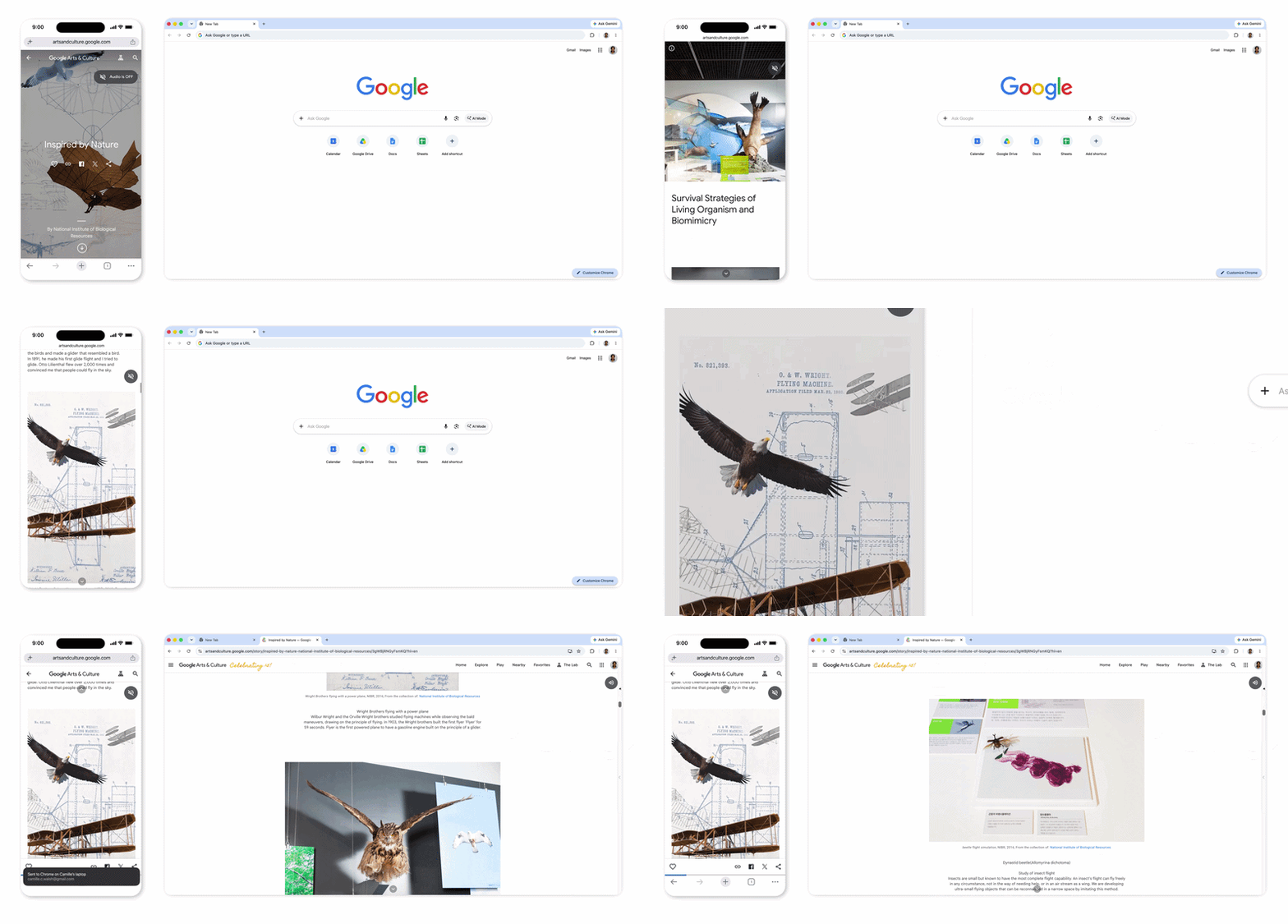
Unlike the other two additions, this feature has nothing to do with AI. It builds on Chrome’s existing ability to send tabs between your laptop and phone, fixing a key limitation of the current implementation.
Previously, transferring a tab to another device would open the page from the top, losing any progress you’d made. Chrome can now preserve the exact state of your tab when you send it over, including your scroll position. Forms will also retain any information already filled in, so you can pick up right where you left off on the new device.
Google is pitching all three features as upgrades for students, but they’re broadly useful for anyone who regularly researches, watches, or reads content across multiple devices.