In a market that is possibly the least affordable it has ever been — thanks to enterprise demand — it’s virtually impossible to invest in traditional upgrades. Switching to a new GPU or CPU platform has been prohibitively expensive for almost a year now. People have to think twice even before expanding their NVMe storage.
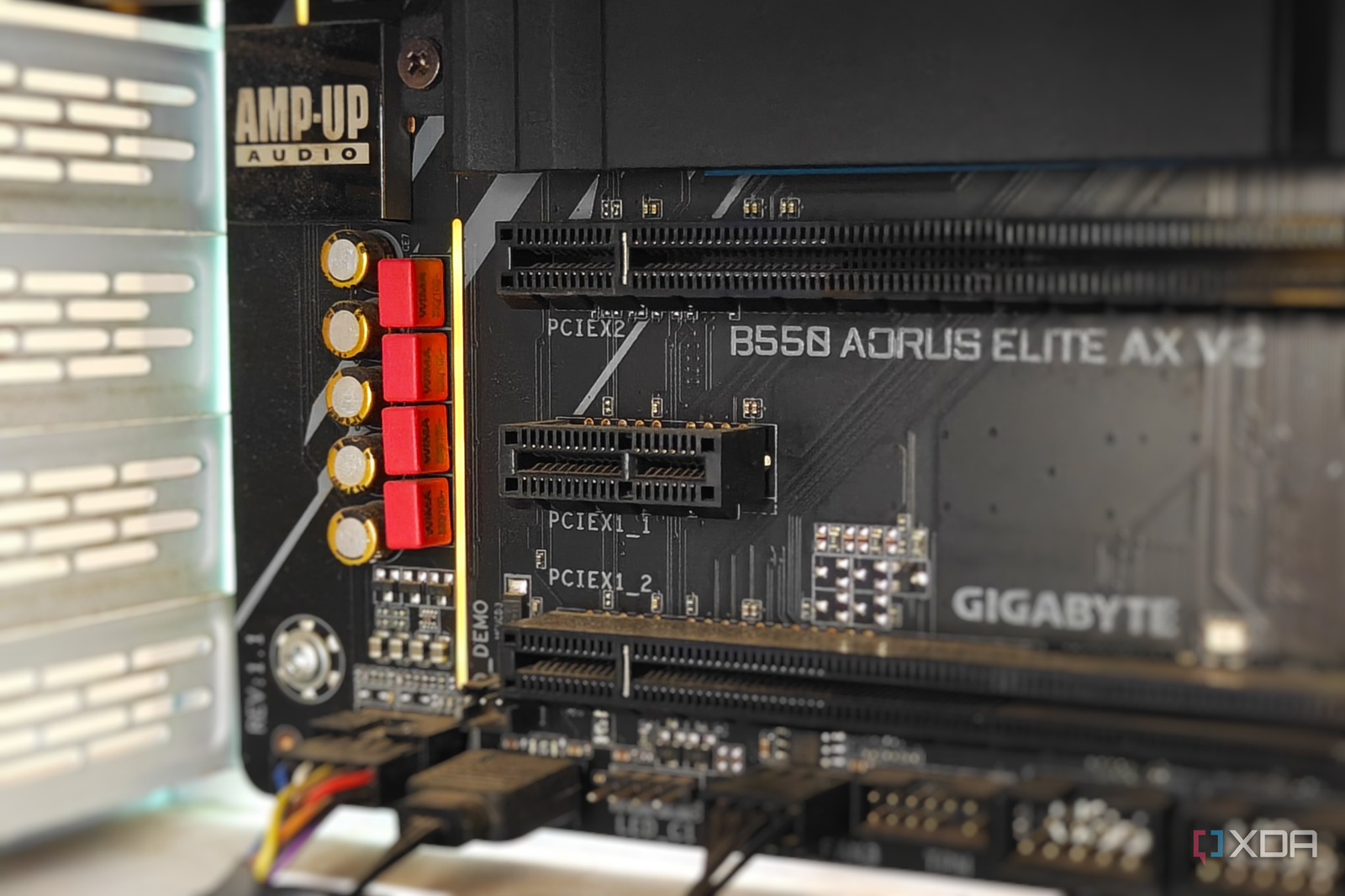
This makes PCIe expansion cards possibly the cheapest PC upgrades in 2026. Your motherboard’s PCIe x1 slot has most likely been gathering dust all these years, but it can deliver disproportionate returns. For less than $50, you can upgrade your old PC’s networking, audio, or I/O hardware with a compact yet effective expansion card.
The time is right to consider upgrades you rarely think about
A new GPU or a platform upgrade can wait

If you were in the market for a graphics card or a DDR5 upgrade back in September 2025, you probably remember that things were a lot different than they are right now. Ever since the enterprise demand for AI chips skyrocketed, RAM prices went through the roof and slowly pushed GPU and SSD prices to new highs. Upgrade plans were shelved across the globe as people buckled in for half a decade of insane hardware prices.
If you already have an RTX 30 series GPU or anything newer, you can easily ride this crisis out. Most games, even AAA titles, don’t need the latest GPUs to push playable framerates. Upscaling, unofficial frame generation, and optimized settings make 6-year-old GPUs pretty powerful. And upgrading to a Ryzen 7000, Ryzen 9000, or Intel Arrow Lake CPU won’t feel drastically different than your 5-year-old CPU, at least for gaming.
Even SSD prices are crazy right now, with a 2TB Gen4 NVMe drive going for at least $250. Compared to September 2025, that’s more than double the price. So, it’s safe to say that the non-conventional parts of your old PC deserve some attention at this time. Your unused PCIe x1 slot promises some practical and highly affordable upgrades that can make your system feel modern without blowing a hole in your wallet.
Your smallest PCIe slot can save you a motherboard upgrade
You can add new features for cheap

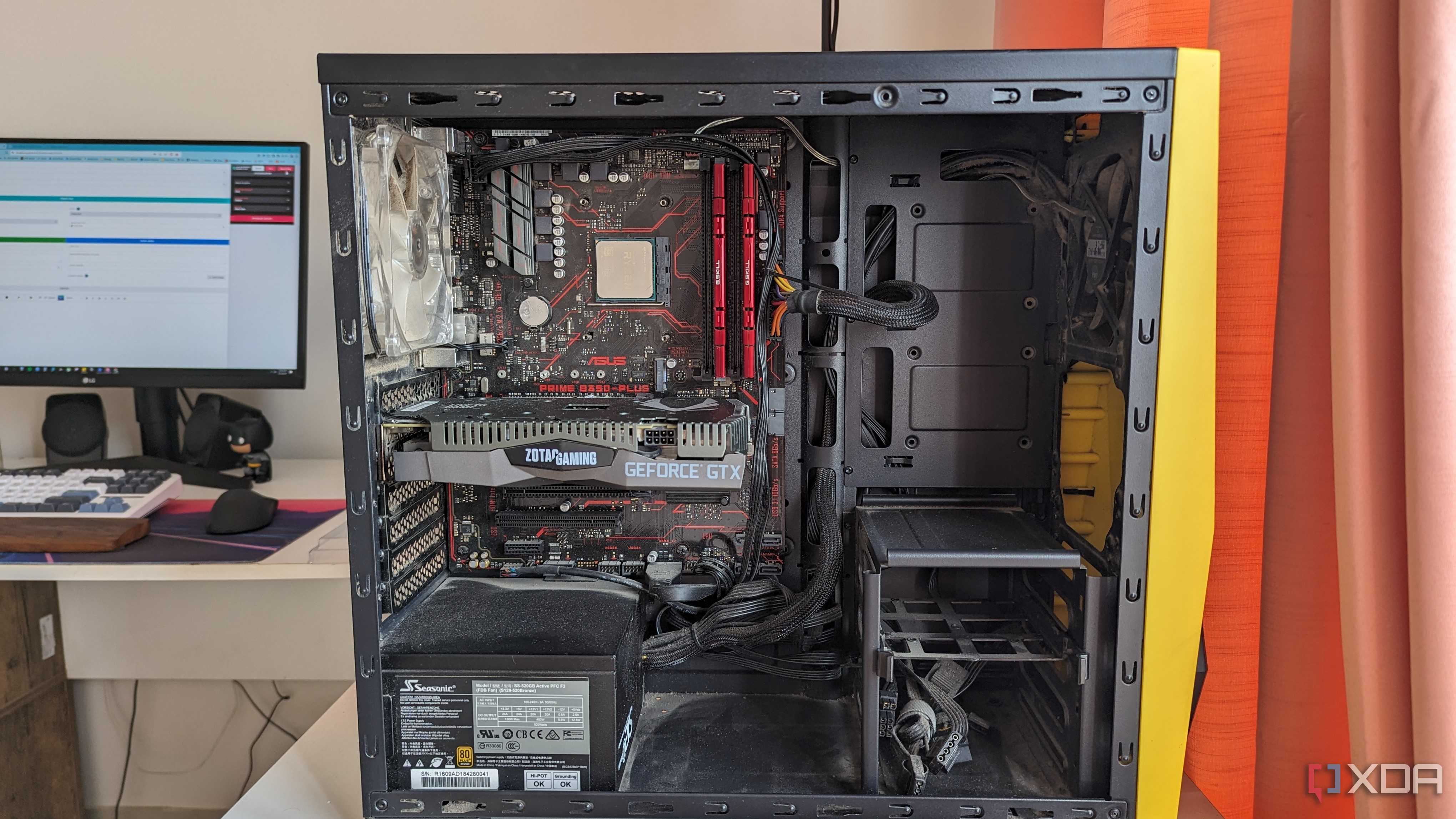

The tiny PCIe x1 slot near the bottom of your motherboard might not be on your list of upgrades, but it can be surprisingly useful. It can’t compete in bandwidth with the full-sized PCIe x16 or even PCIe x8 slots, but it doesn’t need to. Depending on the age of your PC, you may have a PCIe 3.0 x1 or PCIe 4.0 x1 slot, which means at least 8 Gbps of bandwidth. This is more than enough for most expansion cards you can buy.
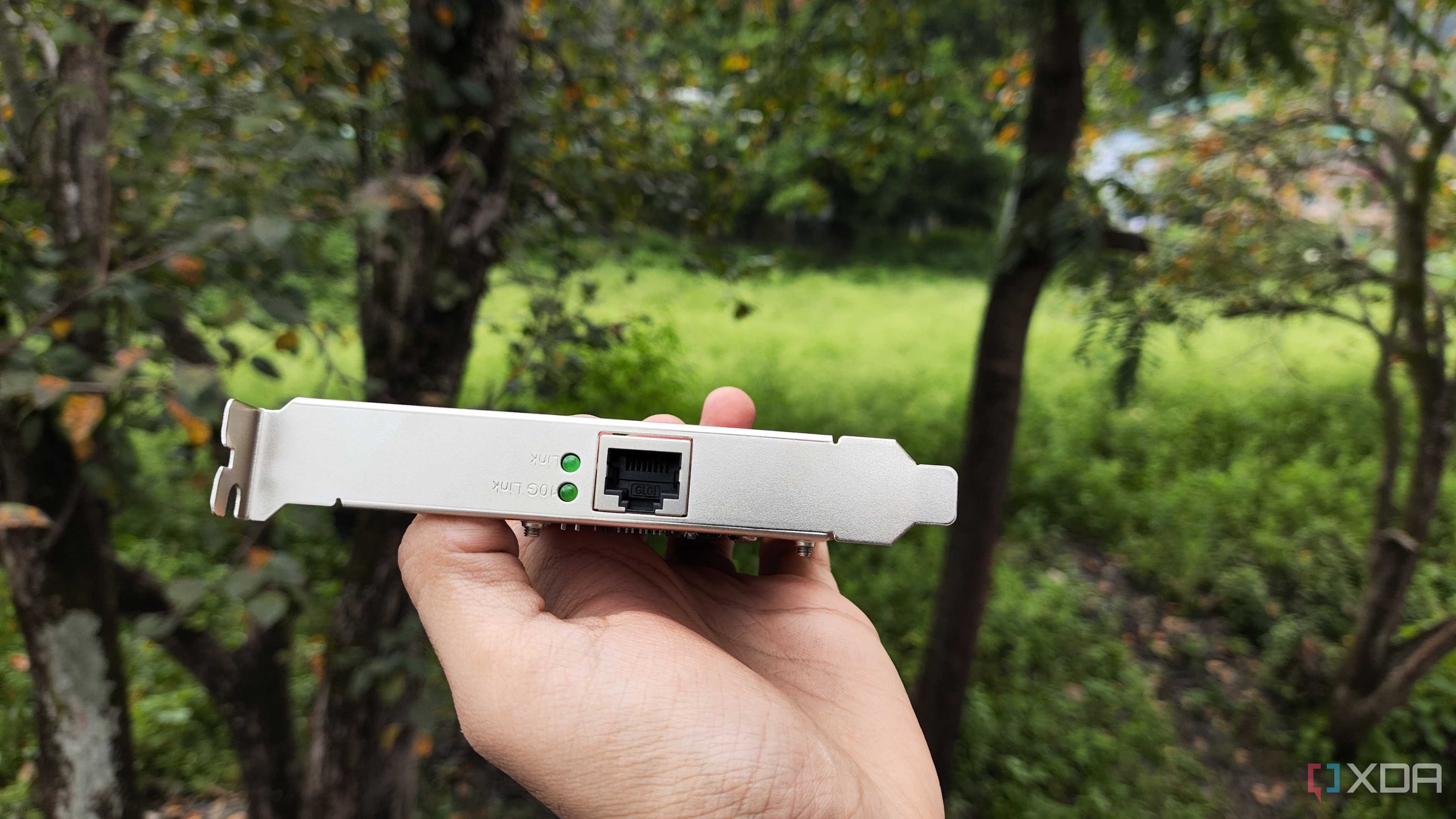
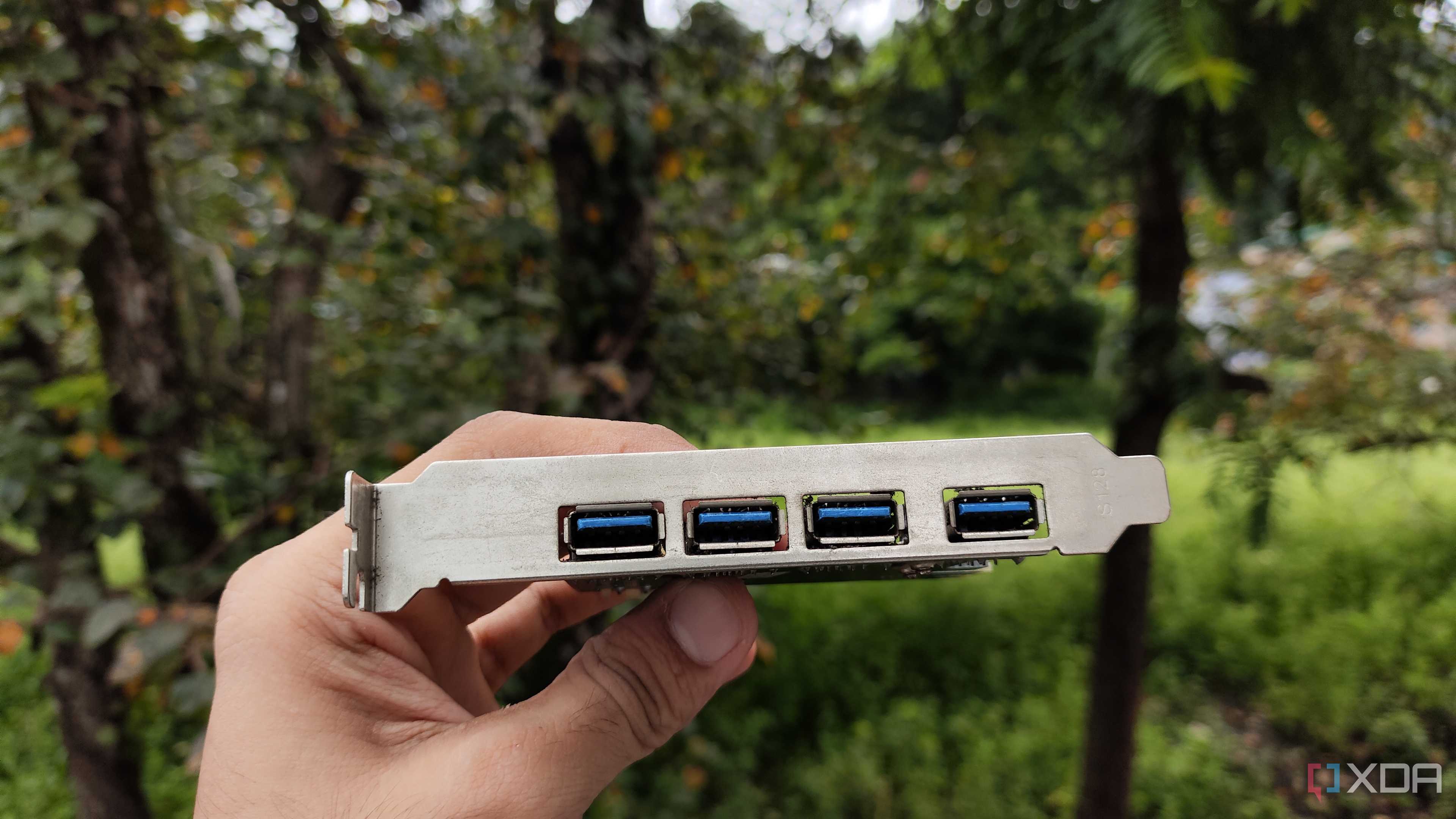
For instance, your old PC probably has a dated Ethernet port capped at 1 GbE or 2.5 GbE. If you need more throughput for internal transfers, this probably doesn’t cut it. Fortunately, a 5 GbE Ethernet card only needs a PCIe 3.0 x1 slot to supercharge your PC’s wired networking, and it costs just $30. If you have a PCIe 4.0 x1 slot, you have even more headroom for faster networking cards, additional USB ports, or a dedicated sound card — all without touching your primary GPU slot or spending hundreds on a new motherboard.