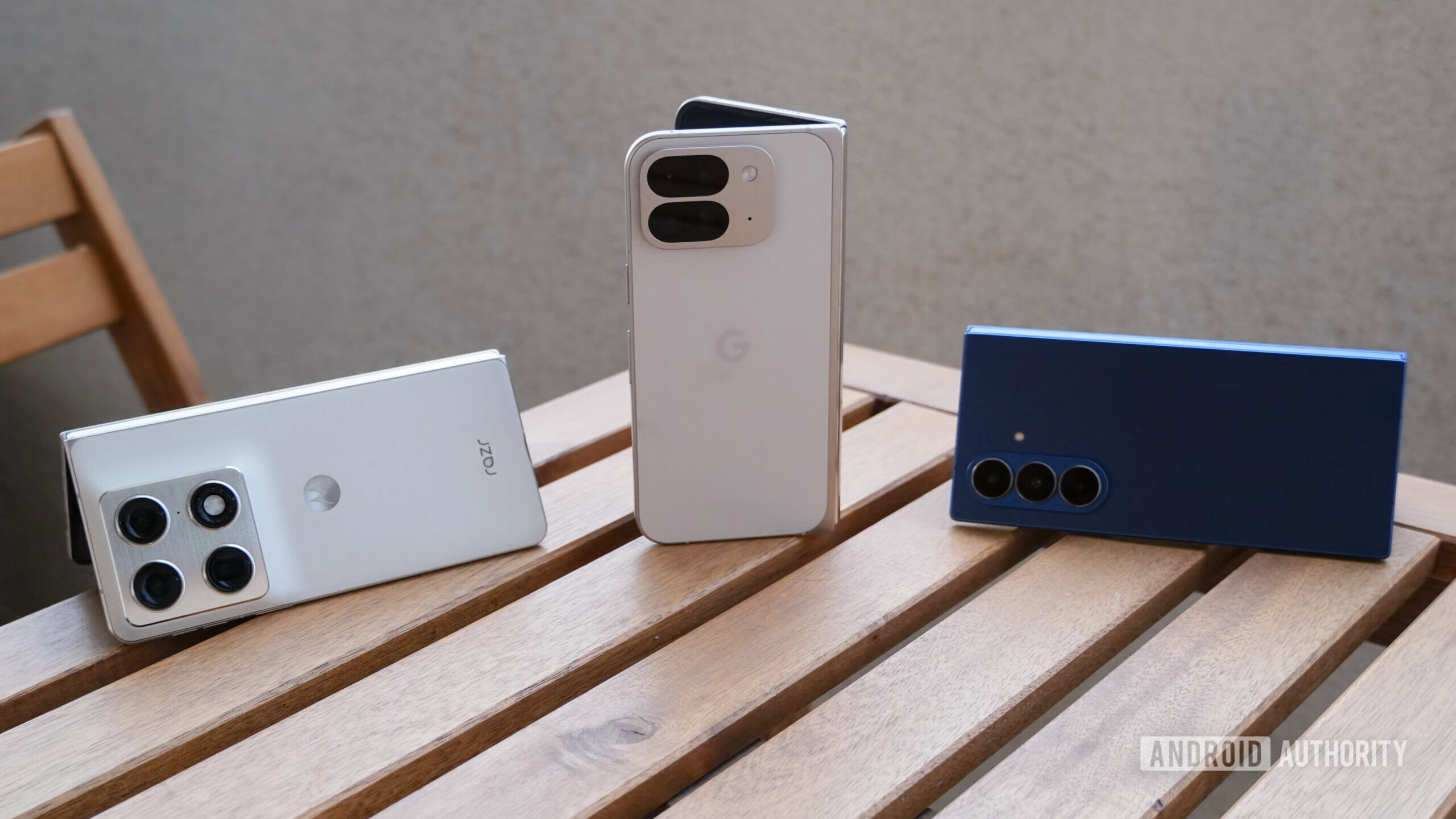
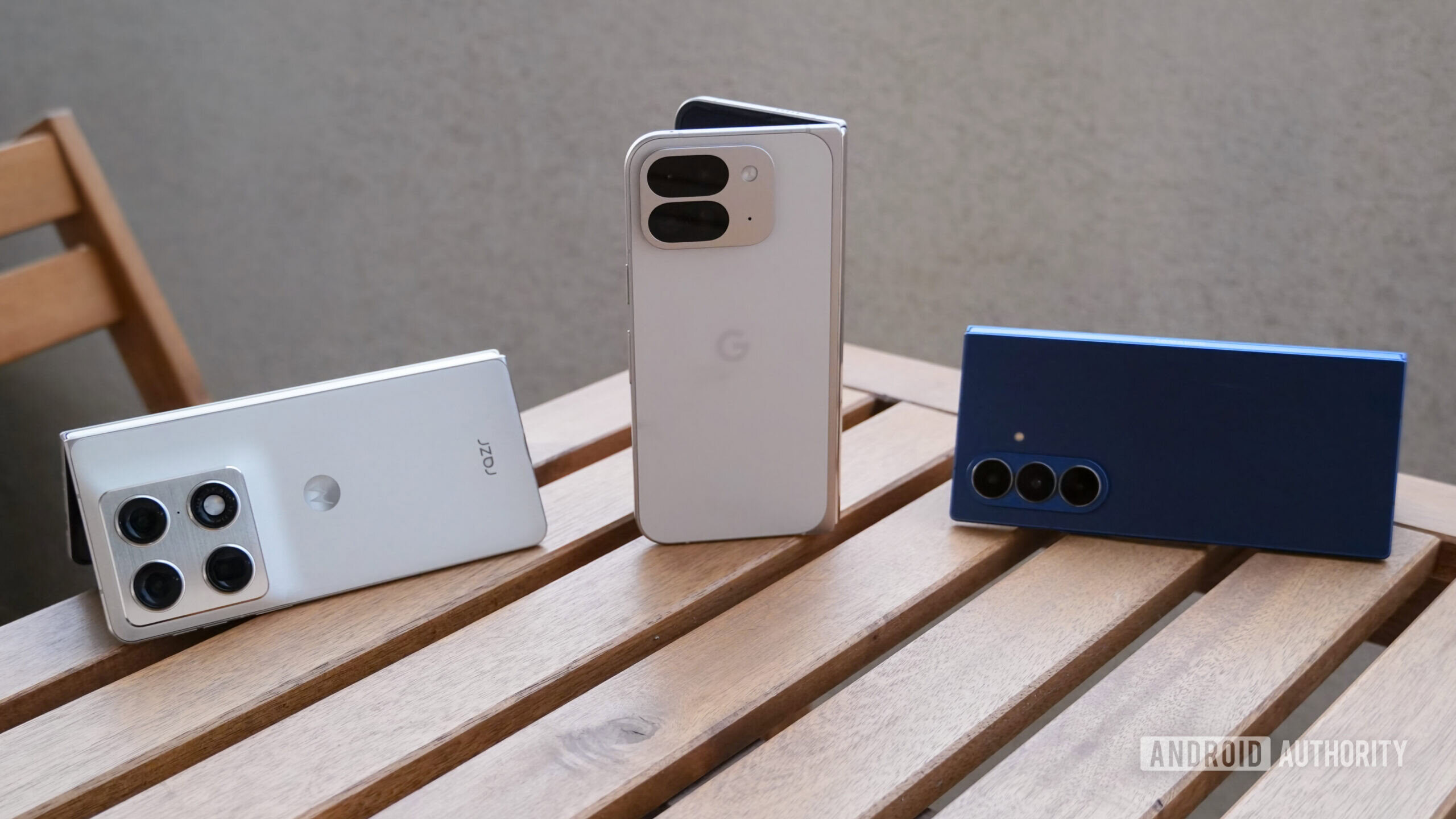
When the Google Pixel 10 Pro Fold first came out, I wanted to love it. Sure, the foldable phone looked quite similar to the Pixel 9 Pro Fold, but it featured a handful of subtle upgrades. A new Tensor G5 chip, a larger 5,015mAh battery, and faster 30W charging were a few of the highlights. The Pixel 10 Pro Fold also included genuine firsts for US foldables in magnetic Qi2 and IP68 support.
However, it didn’t take long for the Pixel 10 Pro Fold to feel outdated in comparison to the Samsung Galaxy Z Fold 7, which was released months earlier. A few months later, Motorola started previewing its first big-screen foldable — the Motorola Razr Fold — and it officially launched in May.
Fast-forward to today, and I’ve been using the Galaxy Z Fold 7 for nearly a year and the Razr Fold for months. It’s never been clearer to me that Pixel foldables can’t compete unless the Pixel 11 Pro Fold includes major upgrades in six key areas.
A thinner, lighter design
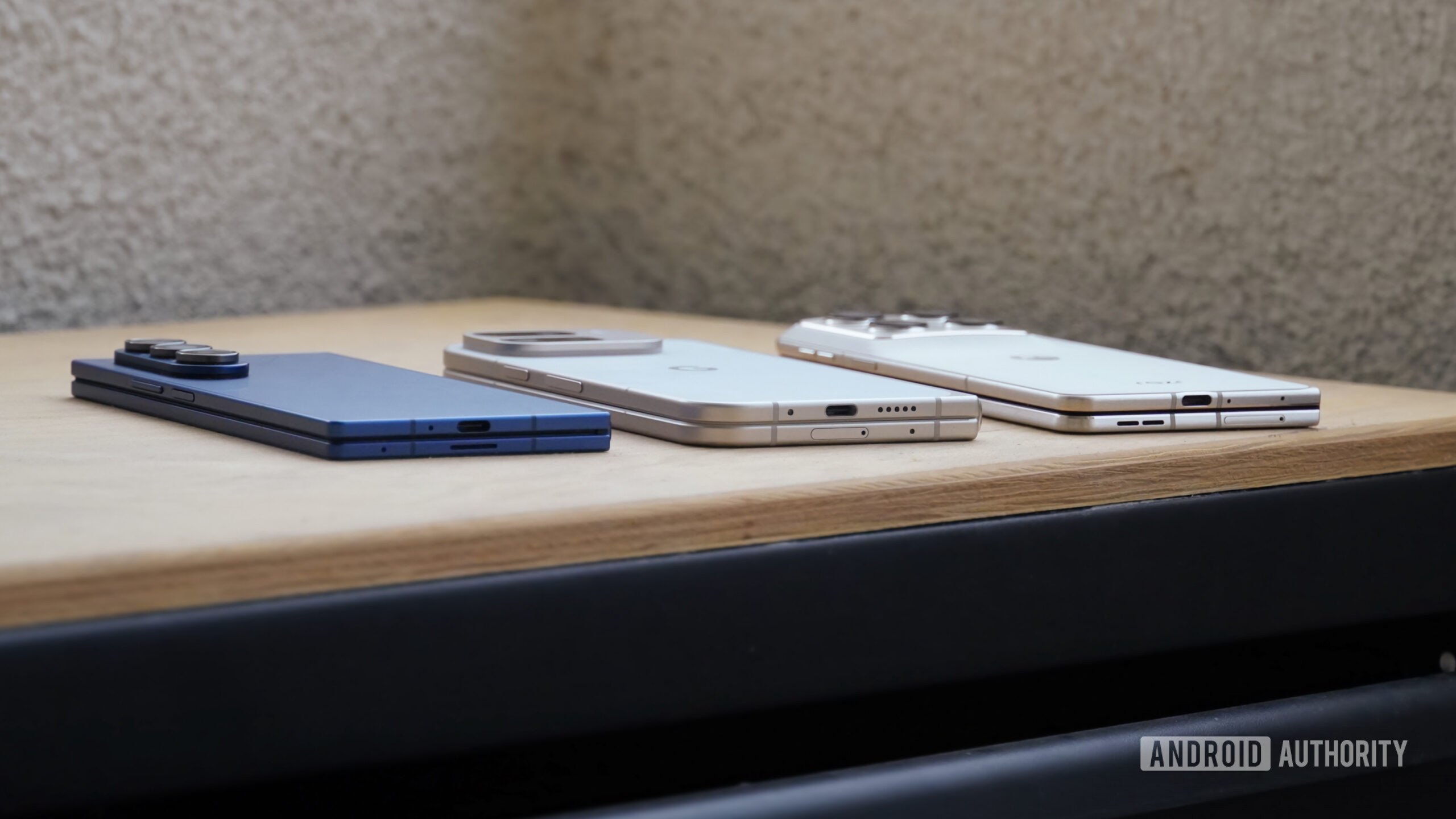
If there’s one spec Google should focus on for the Pixel 11 Pro Fold, it’s the foldable’s weight. The current Pixel 10 Pro Fold weighs 258 grams, which is shockingly one gram heavier than the Pixel 9 Pro Fold. There are easy explanations for the weight gain, such as the larger battery and built-in Qi2 magnets. Regardless, it’s never good to see a new phone take a step backward in an area where it was already behind the curve.
I understand many smartphone buyers put thickness and weight low on their list of priorities, even if I personally value those characteristics more. Still, it’s hard to overstate how heavy the Pixel 10 Pro Fold is compared to the competition. It’s 15 grams heavier than the Razr Fold, which weighs in at 243 grams. It’s a staggering 43 grams heavier than the Galaxy Z Fold 7, which weighs 215 grams. The Pixel 10 Pro Fold is somehow only a gram heavier than the non-folding Galaxy S26 Ultra.
This is without considering the looming Galaxy Z Fold 8 launch or bringing up global foldables that aren’t available in the US. Put simply, the Pixel 11 Pro Fold needs to get lighter. It should, at a minimum, weigh about the same as the Razr Fold. Google gets bonus points for including magnetic charging and a larger battery than the Galaxy Z Fold 7, but it doesn’t get a free pass to ignore weight entirely.
The Pixel 10 Pro Fold’s thickness isn’t a dealbreaker, but it is thicker than both the Galaxy Z Fold 7 and the Razr Fold — trimming a millimeter or so to match or beat Motorola’s option would go a long way.
A bigger battery with faster charging
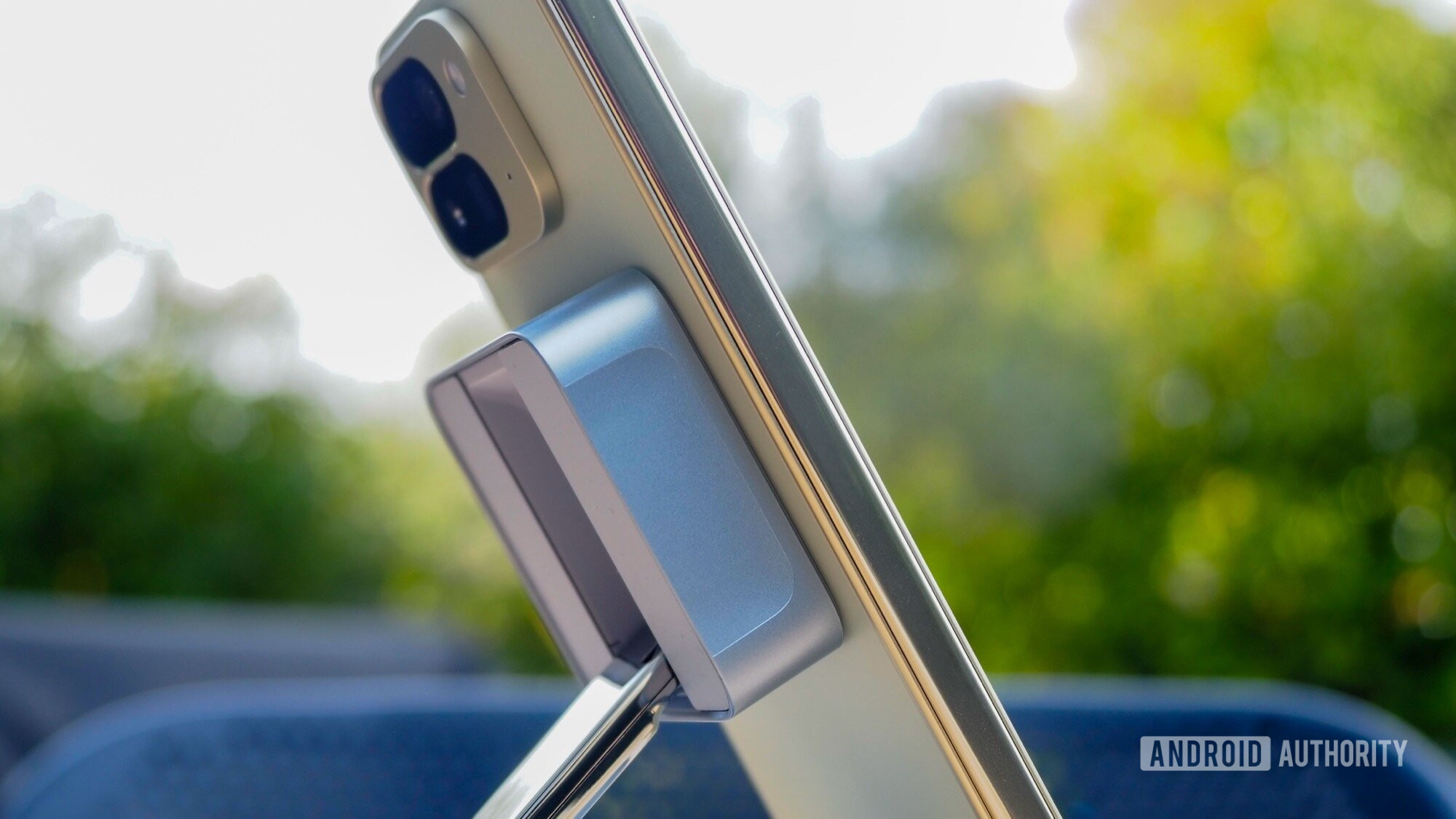
Battery life and charging are two reasons I can’t rule out the Pixel 10 Pro Fold completely. I’ve used the Galaxy Z Fold 7 on and off since it launched, and battery life has been a recurring problem. The 4,400mAh battery capacity simply isn’t enough, especially when using the main display heavily. The Pixel 10 Pro Fold beats Samsung’s current offering in raw capacity and charging speed — the Qi2 magnets and Pixelsnap support are the finishing touches.
But the Motorola Razr Fold poses a new challenge for Google. Motorola didn’t add Qi2 magnets to the Razr Fold, but it did use silicon-carbon battery technology, offering a 6,000mAh battery and up to 80W wired fast charging — setting a new standard for US foldables.
Google’s Pixel 11 Pro Fold needs to offer faster wired charging speeds, and ideally boost the battery capacity yet again.
I’ve used the Razr Fold since May, and it’s the first foldable I’ve enjoyed without worrying about battery life at all. If Samsung pulls a wild card and significantly upgrades the Galaxy Z Fold 8’s battery, Google risks falling behind on two fronts. The Pixel 11 Pro Fold needs to push past 5,000mAh and deliver wired charging speeds that can realistically compete with 65W or faster — otherwise, one of its strongest selling points risks becoming just another spec that rivals have surpassed.