Joe Maring / Android Authority
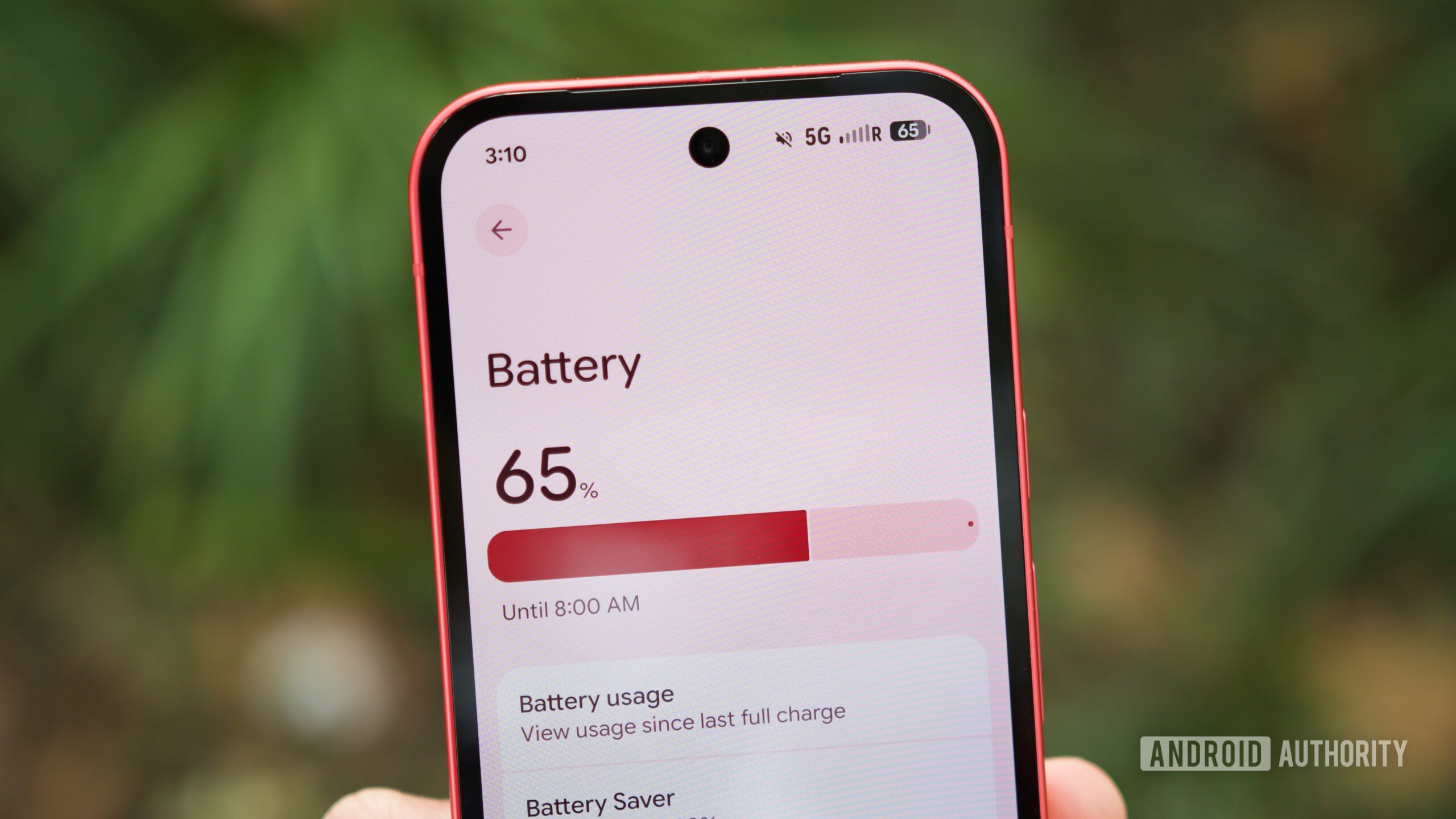
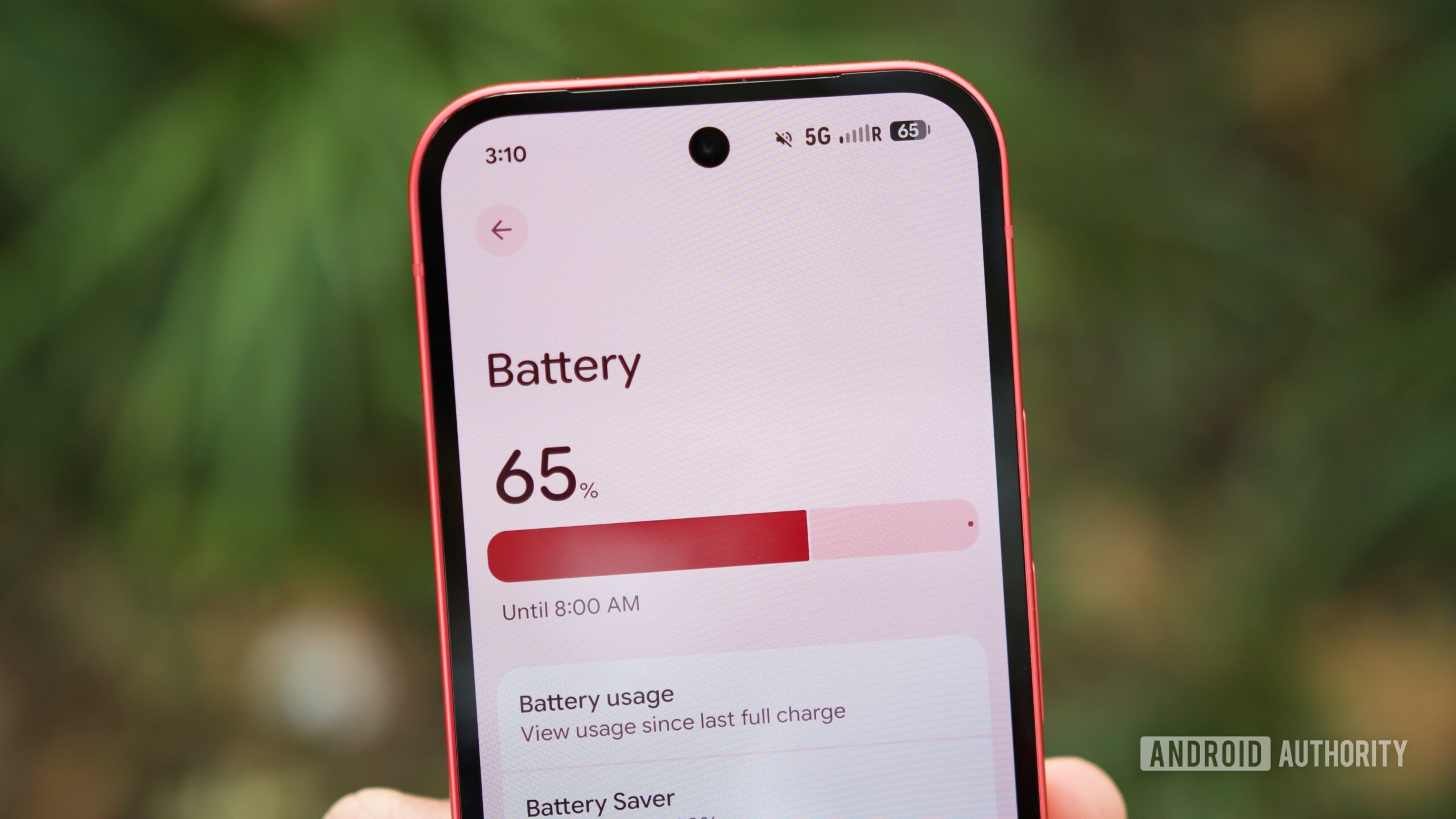
Battery degradation is perhaps the biggest concern if you want to keep a phone for three years or longer. Fast degradation means terrible battery life after just a year or two. This wasn’t a huge deal in the late 2000s and early 2010s, since user-replaceable batteries let you easily switch to a new cell. But we now live in an era where most people have to take their phone to a repair center to get the battery replaced.
It used to be relatively easy to understand the battery degradation information smartphone makers disclosed. Unfortunately, some mobile brands are quietly trying to redefine how degradation is measured — and it’s worth knowing why.
How Is Degradation Usually Measured? And What Changed?

Hadlee Simons / Android Authority
Battery degradation is typically measured in terms of charging cycles. A charging cycle is how often you’ve fully drained a battery’s capacity. Using your fully charged phone until it hits zero counts as one charging cycle. But a charging cycle doesn’t necessarily mean using 100% of a battery’s capacity in one go. For example, if you charge your phone to 50% and use it until it’s dead, then charge it to 50% and use it until it hits zero again, that’s a single charging cycle too.
Apple and Google say their recent phones can last for 1,000 charging cycles before reaching 80% effective capacity. Meanwhile, Samsung is the king in this regard, as its high-end phones can last for 2,000 charging cycles. These figures give us a rough idea of how long a phone battery will last before it degrades significantly. For instance, 1,000 charging cycles is equivalent to just under three years of use if you fully discharge and recharge the battery daily. More moderate usage means you won’t be charging as often, which means your battery will soldier on a little longer before reaching its rated number of cycles.
“The arrival of silicon-carbon batteries coincided with some smartphone makers changing the way they measure battery degradation.”
OnePlus, OPPO, and vivo all claimed 1,600 charging cycles on some phones prior to the introduction of silicon-carbon batteries. This claim extended to devices like the OnePlus 12, vivo X100 Pro, OPPO Find X6 Pro, and Find X7 Ultra. In fact, OnePlus and vivo specifically claimed that their phones had 1,600 charging cycles or four years of battery health.
Then the first wave of phones with silicon-carbon batteries arrived, and these companies were suspiciously quiet. That’s likely because some of the first phones with these batteries were generally rated for fewer cycles than their predecessors. For example, the OnePlus 13 was rated for just 1,000 cycles — still respectable, but a long way off the OnePlus 12.
Now that we’re on the second and third generations of silicon-carbon battery tech, some manufacturers are taking a different approach to measuring degradation. The likes of OnePlus, OPPO, HONOR, and others are almost exclusively promoting years of usage rather than charging cycles.

OnePlus says the OnePlus 15 delivers four years of battery health before hitting 80% effective capacity. OPPO says the Find X9 Pro battery will last five years before hitting this same mark. HONOR claims that the X80 Pro Max and its gigantic 11,000mAh battery will give you six years of battery health. Notably, these companies don’t give prominent billing to charging cycle information, if they list it at all.
Sensible on Paper, but Companies Are Hiding a Major Change
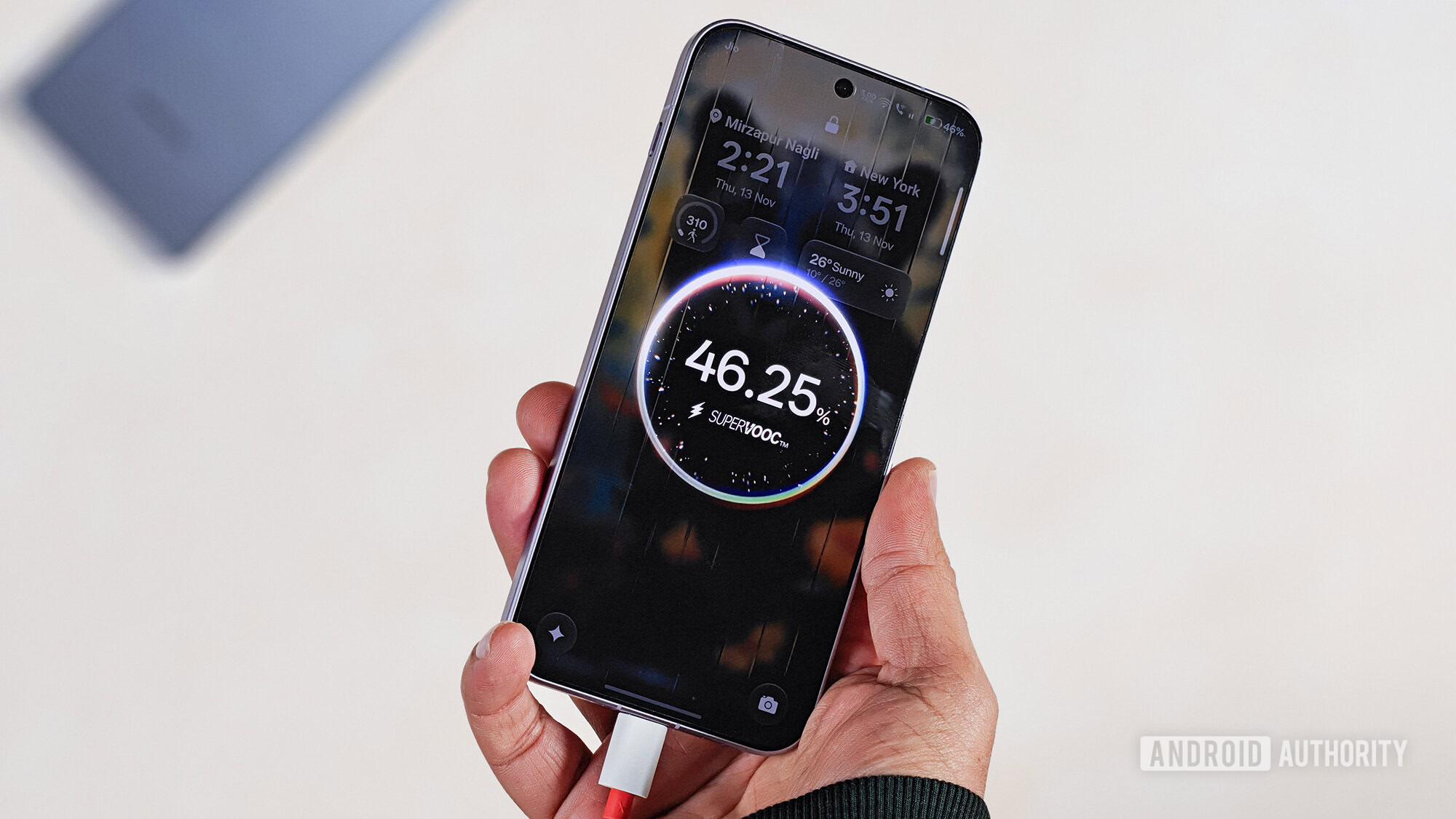
On the surface, measuring battery longevity in years rather than cycles seems more consumer-friendly — most people understand “four years” more intuitively than “1,600 cycles.” The problem is that switching to a years-based metric allows manufacturers to obscure a meaningful drop in the underlying cycle count.
When OnePlus previously advertised 1,600 cycles alongside “four years of battery health,” the two figures were consistent and verifiable against each other. Now that cycle counts have quietly dropped — in some cases to 1,000 or fewer — promoting only the years figure makes it much harder for buyers to make a direct comparison with older models or competing devices.
The years-based claim also rests on assumptions about how often a typical user charges their phone. If a manufacturer assumes one charge per day, 1,000 cycles maps to roughly 2.7 years, not four. Arriving at a four-year figure requires assuming more conservative charging habits, which may not reflect how many people actually use their phones. This gives brands flexibility to present an optimistic number without it being technically false, while the more revealing cycle count stays buried in fine print — or disappears entirely.
Until manufacturers return to prominently disclosing charging cycle data alongside any years-based claims, consumers should treat longevity figures with healthy skepticism and look for independent battery health testing before making a purchase decision.