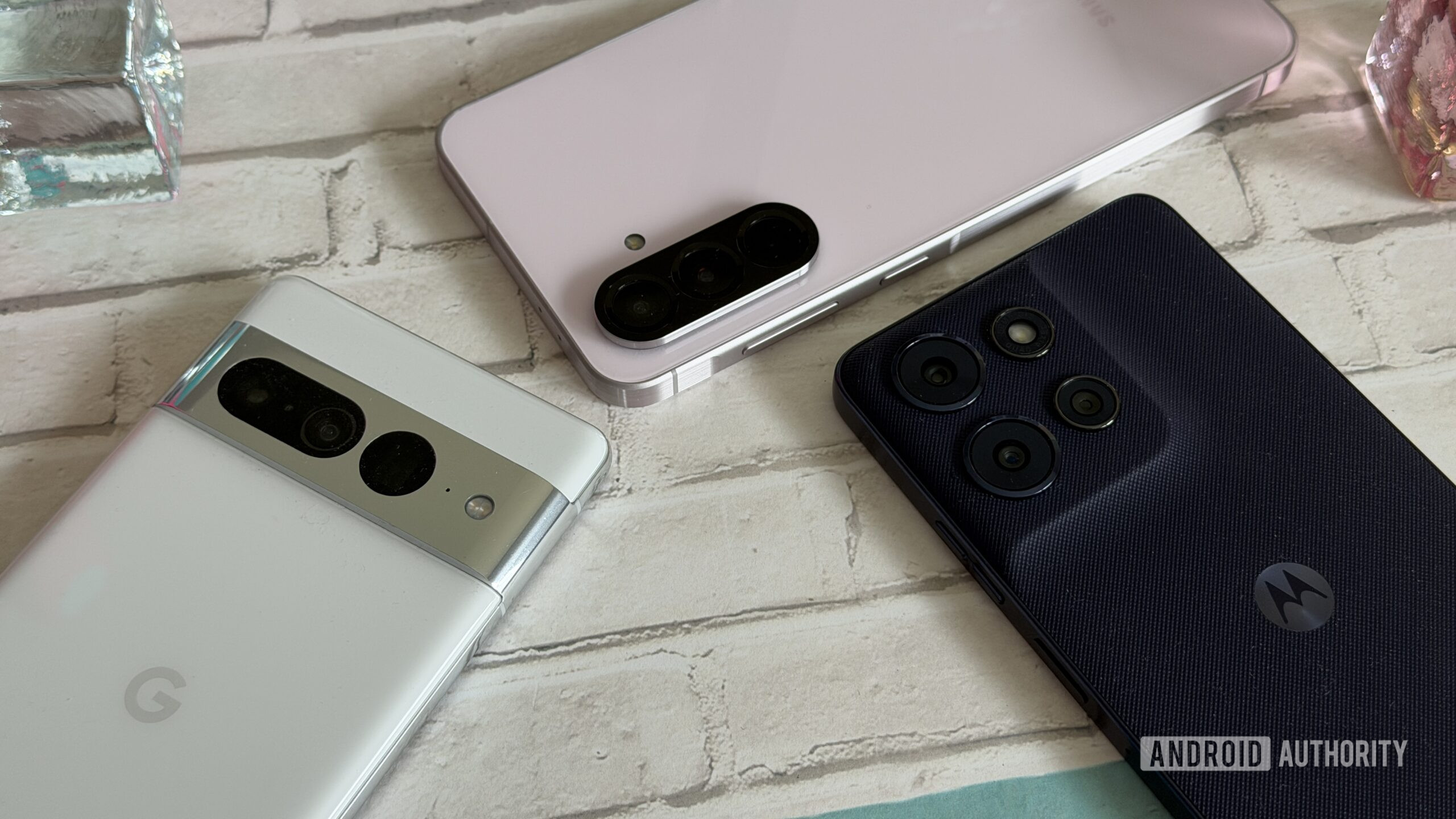
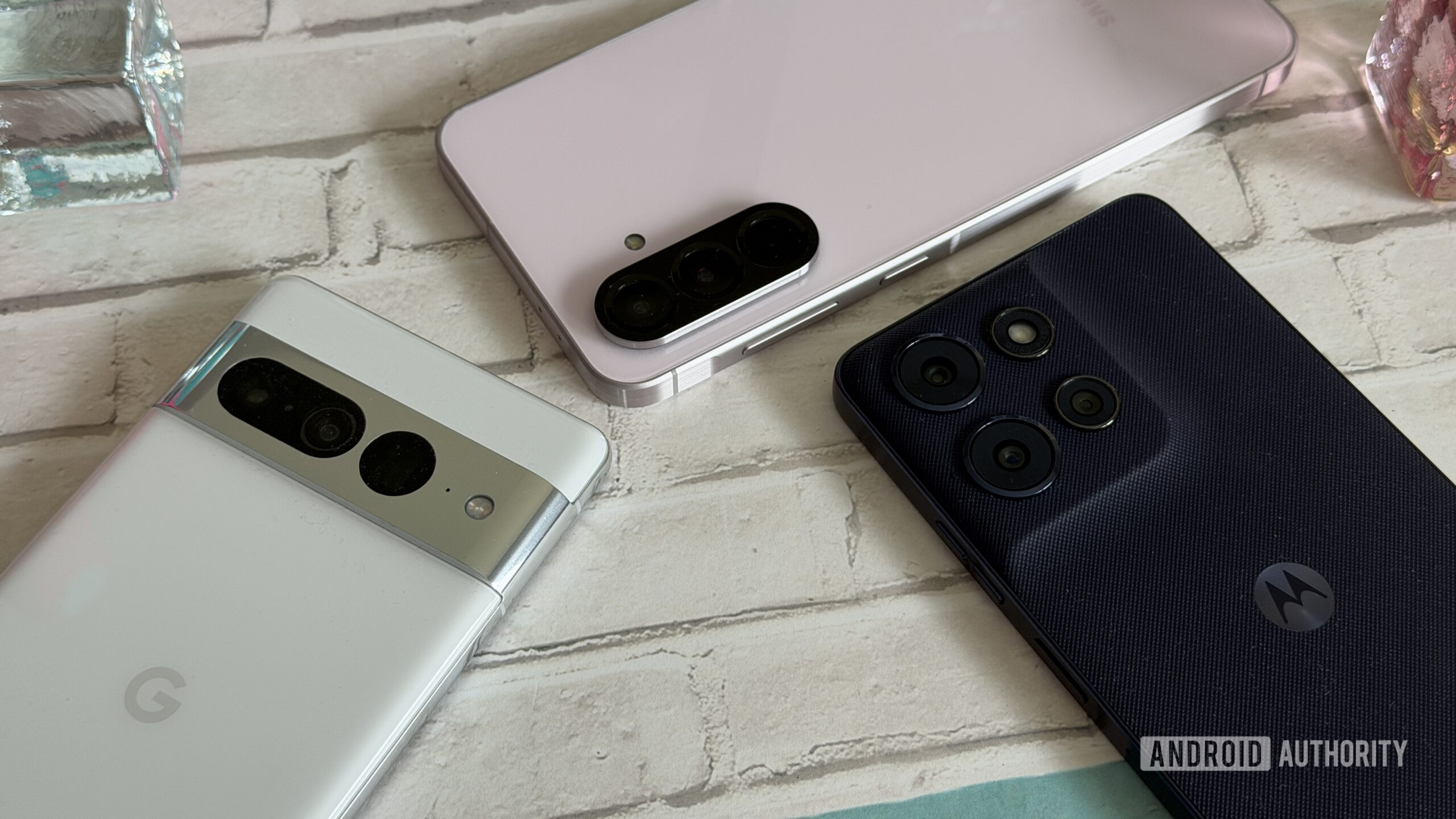
Smartphones are lasting longer than ever, thanks to future-proofed hardware and extended software support. It’s fantastic to see phone makers finally provide the value that $1,000+ devices deserve. It’s made knowing when to upgrade more difficult, which is a good problem to have.
Still, no matter how much you love your phone, there always comes a time to say goodbye. Yearly (or even bi-yearly) upgrade cycles may not make sense, but here are the five phones worth upgrading from if they were rattling around in your pocket in 2026.
Google Pixel 7 Pro
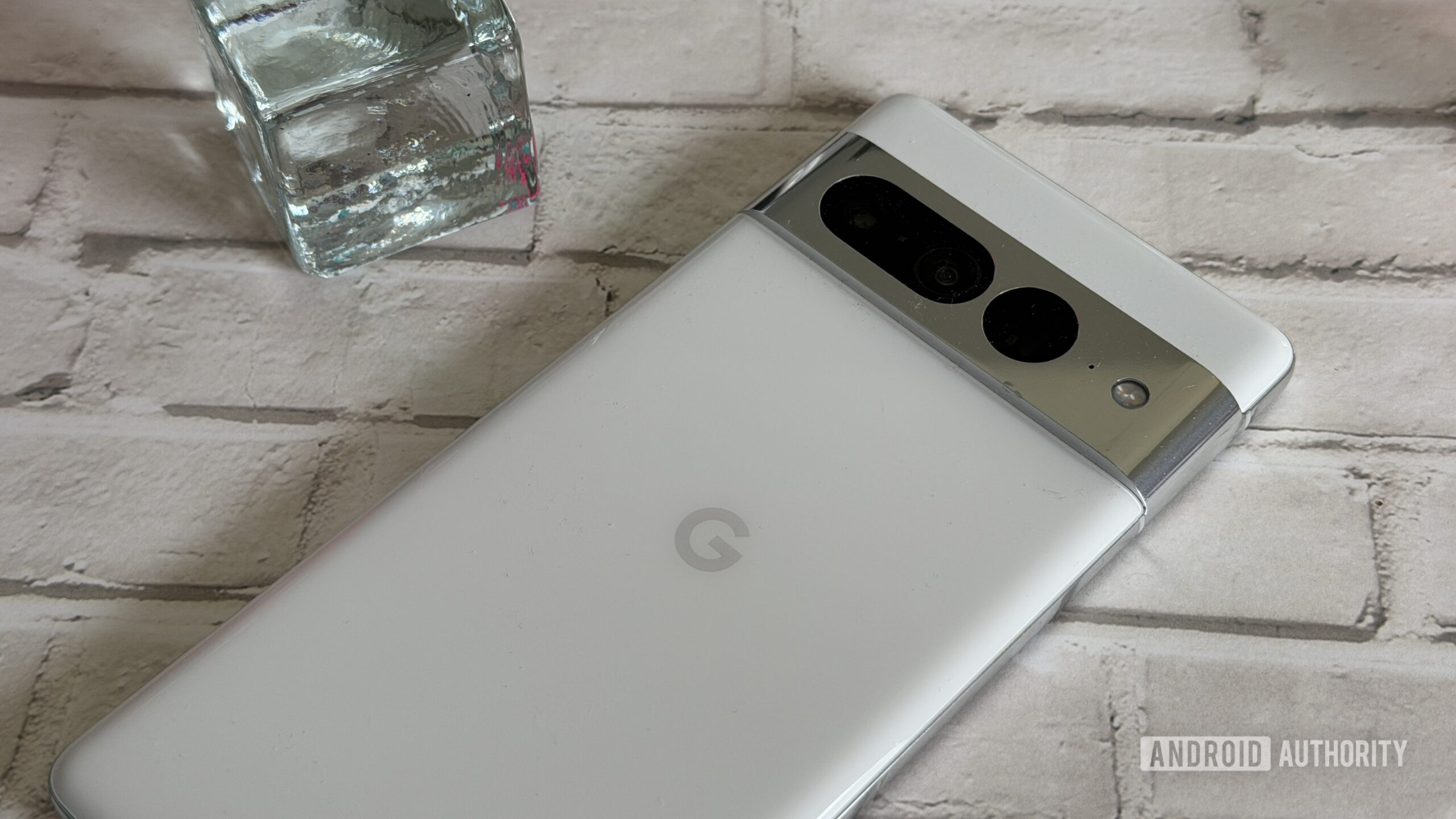
The Pixel 7 Pro had a mixed reception at launch. Initially, it was exciting that the device fixed many of the complaints surrounding the Pixel 6 — the hardware felt more refined, the fingerprint sensor worked as it should, and Google had ironed out many of the problems users had with Android 12.
Unfortunately, there were still some gremlins hiding under the hood. The Tensor G2 chipset overheated, resulting in substandard battery life. Much of the hate for Google Pixel phones was born during the Pixel 6/7 period, and for good reason.
The phone’s display was decent, but nowhere near the quality of Google’s current panels. Performance is good enough for social media and communication, but you’ll notice significant improvements if you upgrade.
The Tensor G5 chipset powering the Pixel 10 Pro and Pixel 10 Pro XL solves many of the earlier generation’s headaches. It isn’t as prone to overheating, and you’ll notice better gaming performance. Battery life is also improved on the newer devices, with two days of mixed use without needing to plug in. One improvement you’ll notice right away is the display — Google’s Super Actua panels are excellent, and you’ll no longer have to walk around at maximum brightness just to see your screen outdoors.
The Pixel 7 Pro was good for its time, but if you have the means, upgrading to the Pixel 10 Pro or 10 Pro XL is the right call.
Samsung Galaxy S22 Ultra
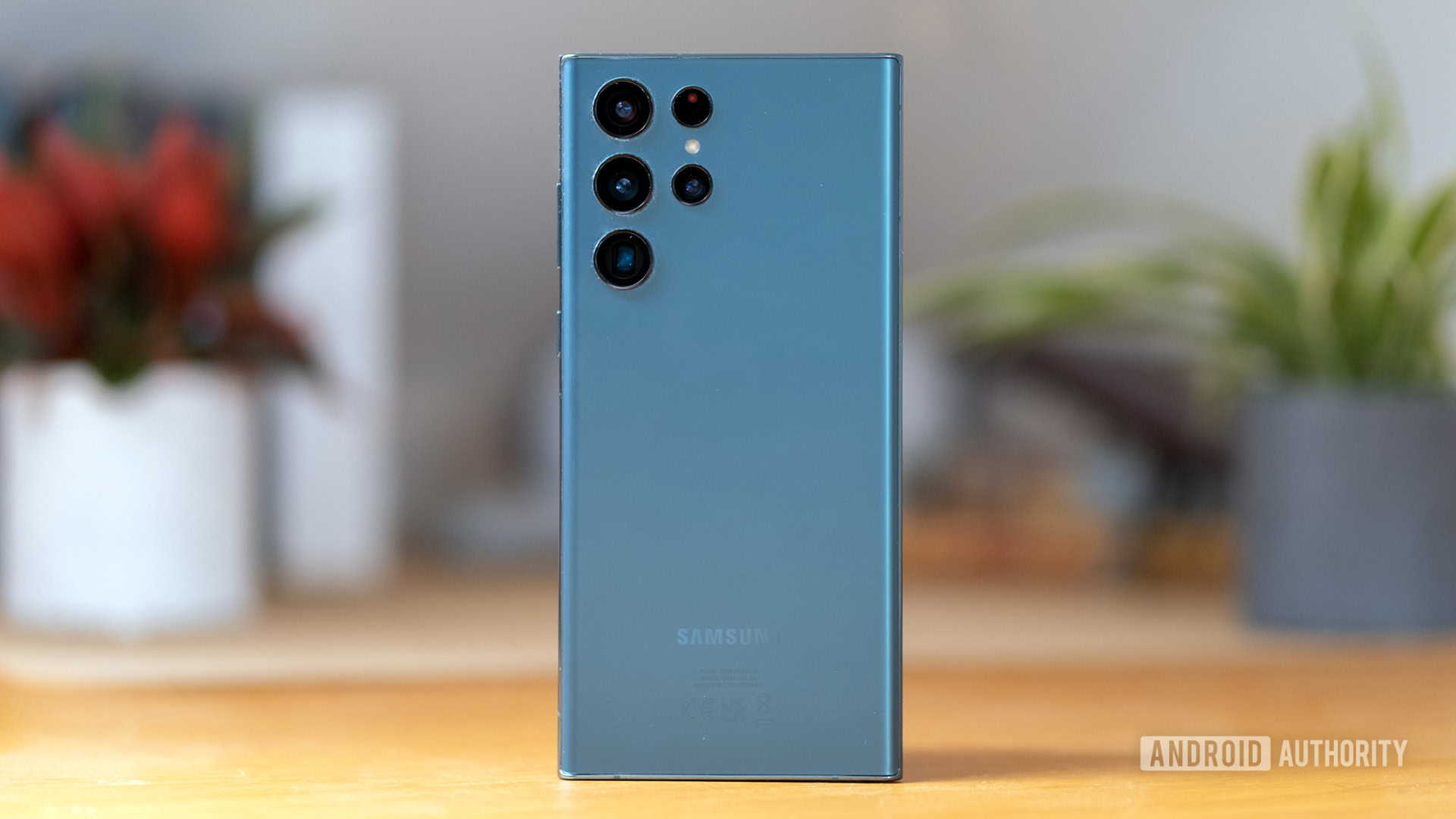
Everyone loves to jump all over Tensor chipsets, but Qualcomm isn’t immune to the occasional dud. The Snapdragon 8 Gen 1 powering the Galaxy S22 Ultra was rough from the start, with frequent overheating even during basic use and difficulty getting five hours of screen time without recharging.
It’s a shame, because otherwise the phone holds up quite well. Its 6.8-inch OLED panel is gorgeous, and the S Pen’s Bluetooth functionality remains a standout feature.
Even with those positives, the Galaxy S26 Ultra is a worthy upgrade. The improved battery life is excellent, but the extended software support is what seals the deal. The Galaxy S22 Ultra is at the end of its software life, while the S26 Ultra is slated for seven years of Android upgrades and security patches, meaning you’ll be receiving new versions of One UI for years to come.