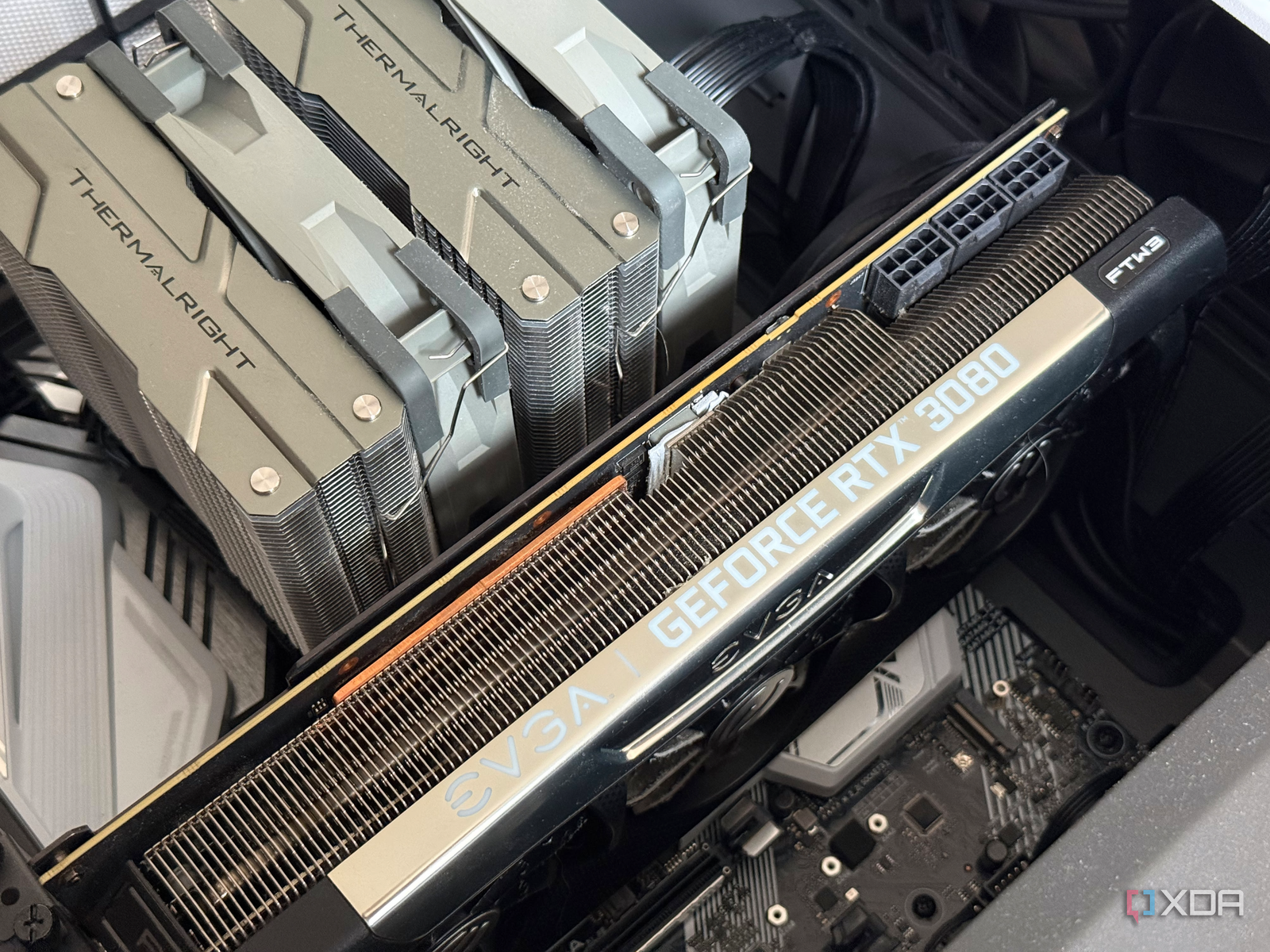
To say that PC building as a hobby has become more expensive would be an understatement. The RAM crisis and ballooning GPU prices that never came back down have made it outright unaffordable for some, and for others, an upgrade seems like nothing more than a mirage. If you’re one of those people looking to make their first entry into PC gaming, or you’re looking for an entirely fresh start from an aged-out system, it’s not all doom and gloom. It’s still possible to build a very capable system for a reasonable price in 2026 — it just takes some patience and a little bit of compromise. Buying everything new while staying under that budget simply isn’t an option, but the good news is the used market is still quite healthy, and it’s your ticket to a 4K-ready system.
The GPU is the part with the least room to maneuver
A used RTX 3080 is the move
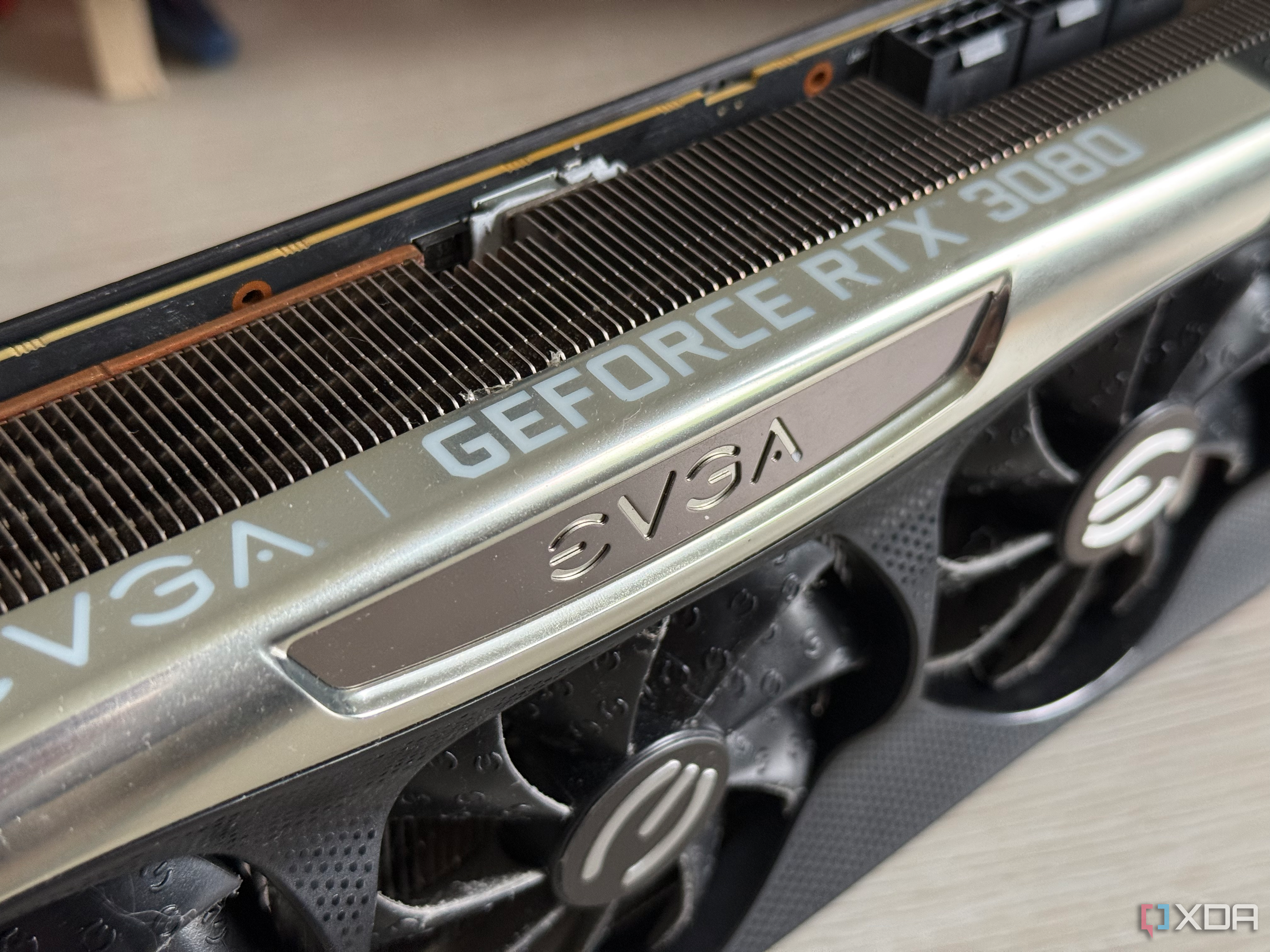
Roughly a third of this budget goes to one component, because at 4K, one component decides everything. The used RTX 3080 has settled into a remarkable position: a card that launched as a $699 flagship in 2020 now regularly sells between $300 and $400 on eBay and second-hand marketplaces, and it remains genuinely capable at 4K with upscaling with the “Quality” preset in the vast majority of games.
What makes the 3080 the pick over similarly priced used Radeons is software. Nvidia has kept the entire modern DLSS stack running on Ampere: the transformer-model DLSS 4 upscaler works on every RTX generation, and even the new DLSS 4.5 model released in January is available on 30-series cards. There’s a catch worth knowing: the 3080 lacks the FP8 hardware support newer cards use to run DLSS 4.5 cheaply, so the newest model carries a real performance penalty on Ampere. It’s worth keeping the 4.5 model in the back pocket for when the image-quality gain justifies the performance hit, and defaulting to DLSS 4 everywhere else.
Buy this part with your eyes open. You don’t know if the card spent 2021 in a mining rig, the thermal paste and pads are five years old, and there’s no warranty behind it. Favor high-feedback sellers, listings with original packaging, and test the card hard within the return window. If you’d rather stay on the Radeon side, a used RX 6800 XT or 6900 XT in the same price bracket is a legitimate alternative, with FSR 4 support now extended to those cards.
The parts you buy new
Failure is expensive, so don’t risk these ones
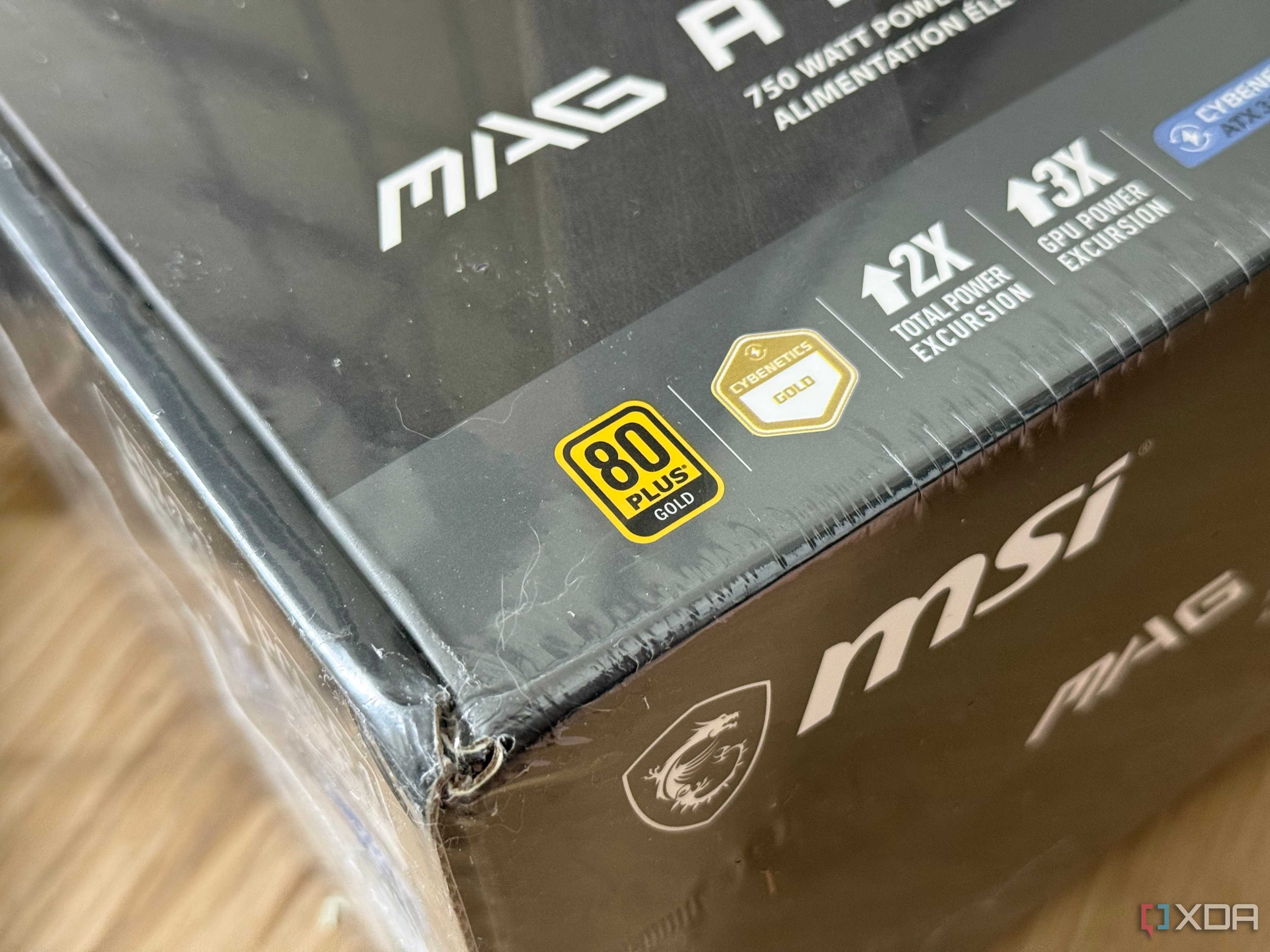
Not everything in this build comes from a listing with someone else’s fingerprints on it. Four components should be bought new: the power supply, SSD, case, and CPU cooler. These are the parts where a hidden defect or years of wear can cause cascading failures — a failing PSU can take other components with it, and a worn cooler can lead to thermal throttling or worse. Spending a little more for new, warrantied versions of these components is inexpensive insurance that keeps the rest of your investment safe.