Karandeep Singh / Android Authority
I seriously thought this day would be far out in the future, but here we are. We already have AI assistants that can take instructions and execute a series of tasks — not just one at a time — without your supervision. It’s almost like having a human assistant.
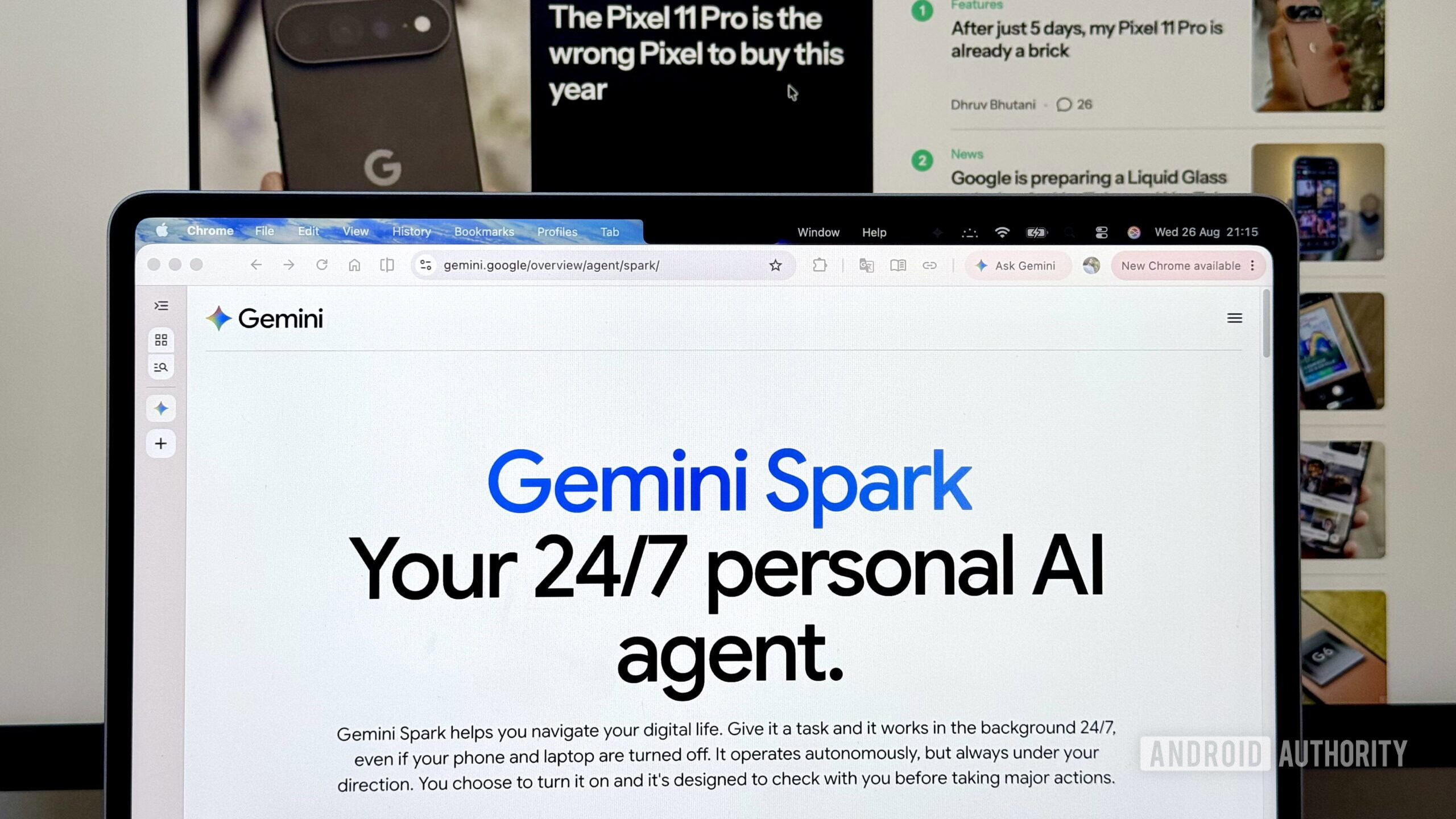
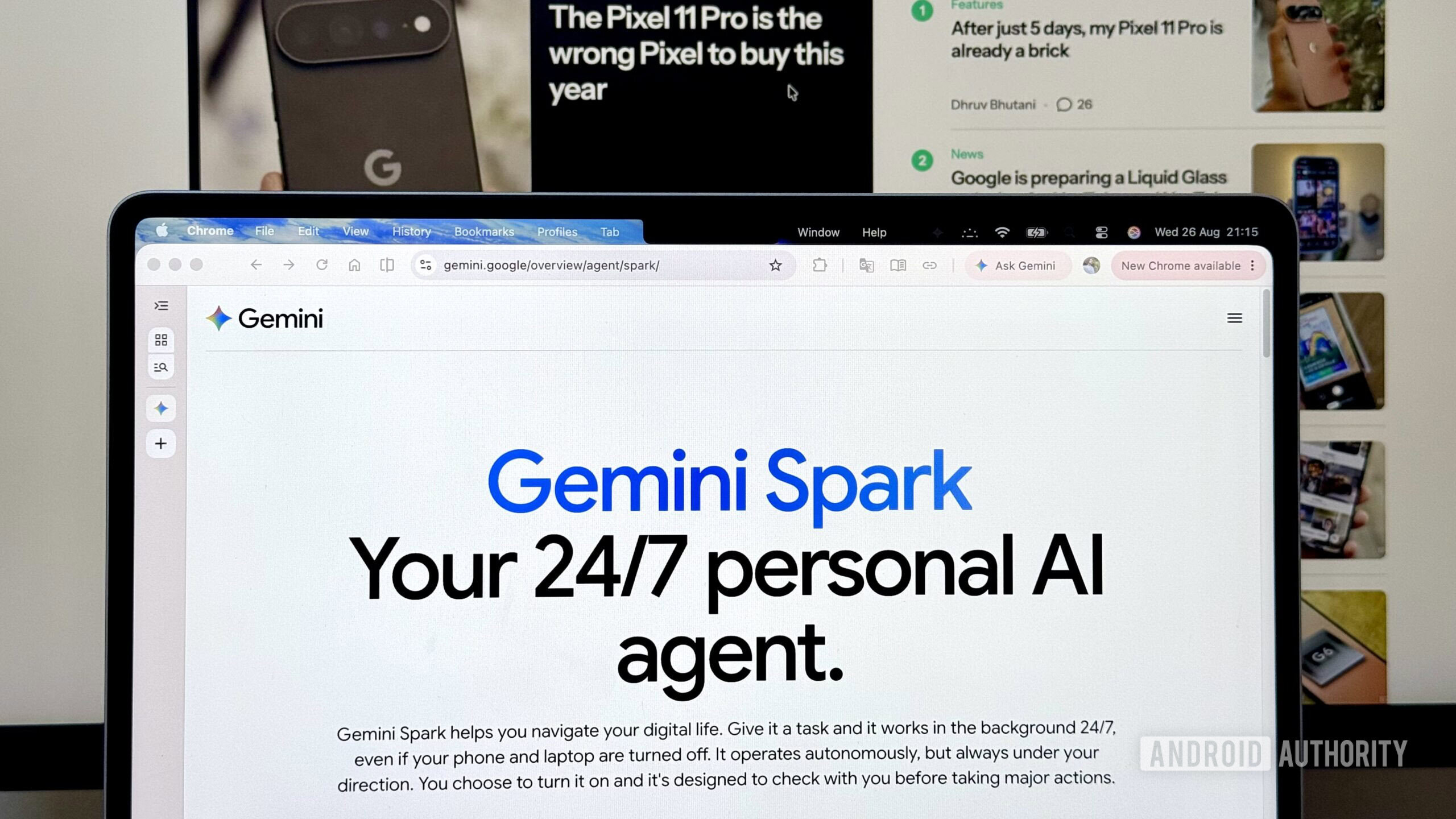
Google’s Gemini Spark is one such product. In fact, it’s one of the first of its kind to be so easily and widely accessible to end users rather than enterprises. It’s so intuitive that I instinctively gravitate towards Spark whenever I need something done within the Google ecosystem. It’s supposed to work in the background, but I just can’t help marveling at an AI assistant pulling context and information from various sources, verifying it, and executing any given task as if it were a meticulous researcher. The novelty factor alone makes it so fun to use.
Besides Gemini Spark, I’ve also extensively used its direct rival, Perplexity Computer, which has been around for much longer. My experience with both tools has helped me understand how different their approaches are, and there are some meaningful ways Gemini can improve by taking a page out of Perplexity’s book.
Google is actually the spark
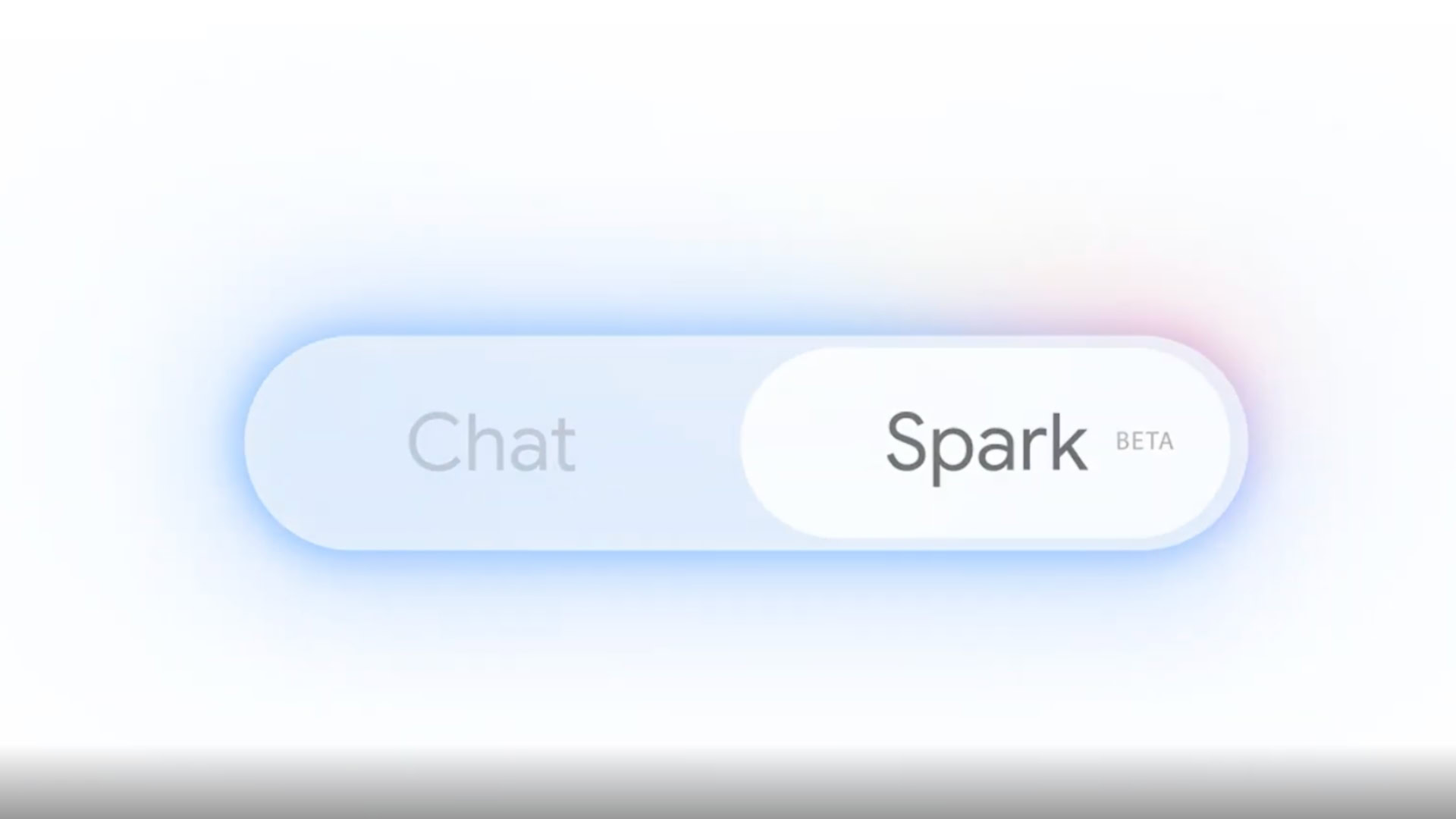
Once you start looking past the flashy, automated functions of Spark, you’ll notice that its biggest strength is actually the ecosystem it lives inside. Other AI tools connect to Google Workspace apps, such as Gmail and Drive, via APIs and MCP connectors, often requiring complex setup. Gemini Spark, on the other hand, has it easy as part of that family. That means it doesn’t need any external connections to work within your Docs or to pull up any old context, and it works across supported Google services.
For instance, I recently had to file a complaint with Amazon about a defective mattress they delivered. I could either do all the digging manually, spending at least 15 minutes on a needless task and breaking my workflow on a productive Monday morning — or ask Spark to do it.
Gemini Spark pulled out my order details from Gmail with just the product name, dug out Amazon’s customer support email (it’s an incredibly taxing task, as brands are increasingly burying direct contact methods under infinite submenus in a bid to push you towards their AI chatbots rather than humans), and drafted a collated email with everything clearly stated. I just needed to give it a once-over and hit send.
I just needed to give it a once-over and hit send.
This is, of course, just a single example, but you can do a lot more complex stuff across Google services to weed out a lot of everyday digital friction. But once you step outside Google’s app ecosystem, you start seeing merit in how Perplexity Computer handles any given task.
Why rely on a single LLM when you can have more?
Joe Maring / Android Authority
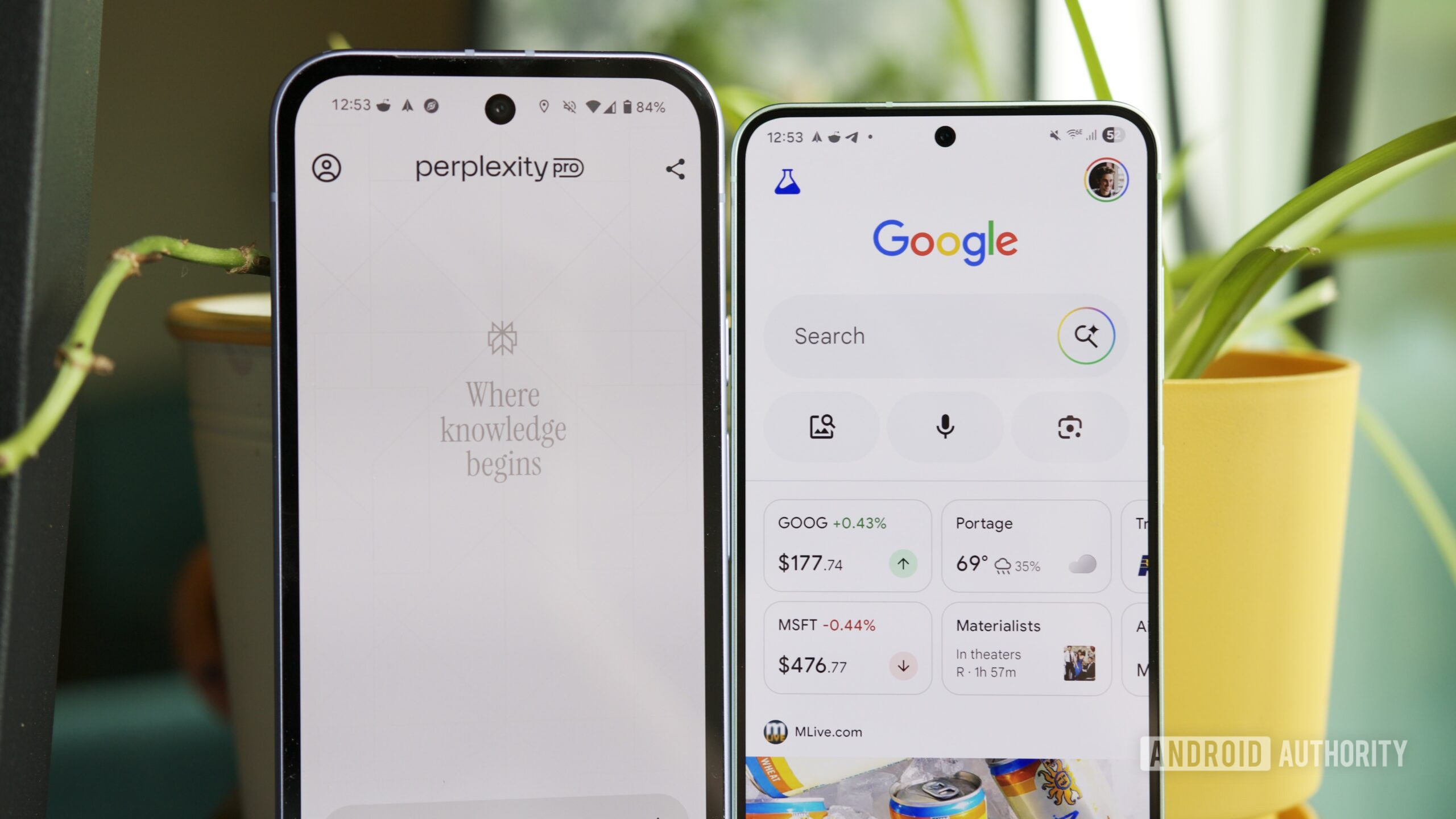
Perplexity doesn’t have its own large language model, so it uses third-party LLMs from OpenAI, Anthropic, Google, and others to answer your queries. That means Perplexity Computer serves as an orchestrator for this bouquet of powerful LLMs, delegating subtasks to the model best suited to them. In practice, it can use ChatGPT to generate high-quality images instead of falling back on a weaker model that has lost its edge.
Gemini Spark’s biggest strength — the closed-off Google ecosystem — also becomes its weakest link.
And just like that, Gemini Spark’s biggest strength — the closed-off Google ecosystem — also becomes its weakest link, and that’s something that’s hard to reasonably expect Google to change. The company is hamstrung here, as it simply can’t integrate competing models into its own products, so you’re stuck with whatever latest Gemini model is available. Spark currently runs on top of Gemini 3.7 Flash, and Google’s Flash-class models aren’t as reliable as Claude and ChatGPT when it comes to understanding and responding to queries.
That’s also evident in how Spark double-checks its own work before sharing final results. In practice, it let a few defects slip through, requiring cross-checking in a different Google app and some back-and-forth to correct. Perplexity Computer’s ability to route tasks to the most capable available model gives it a meaningful accuracy advantage whenever the job calls for stepping outside Google’s walls.